
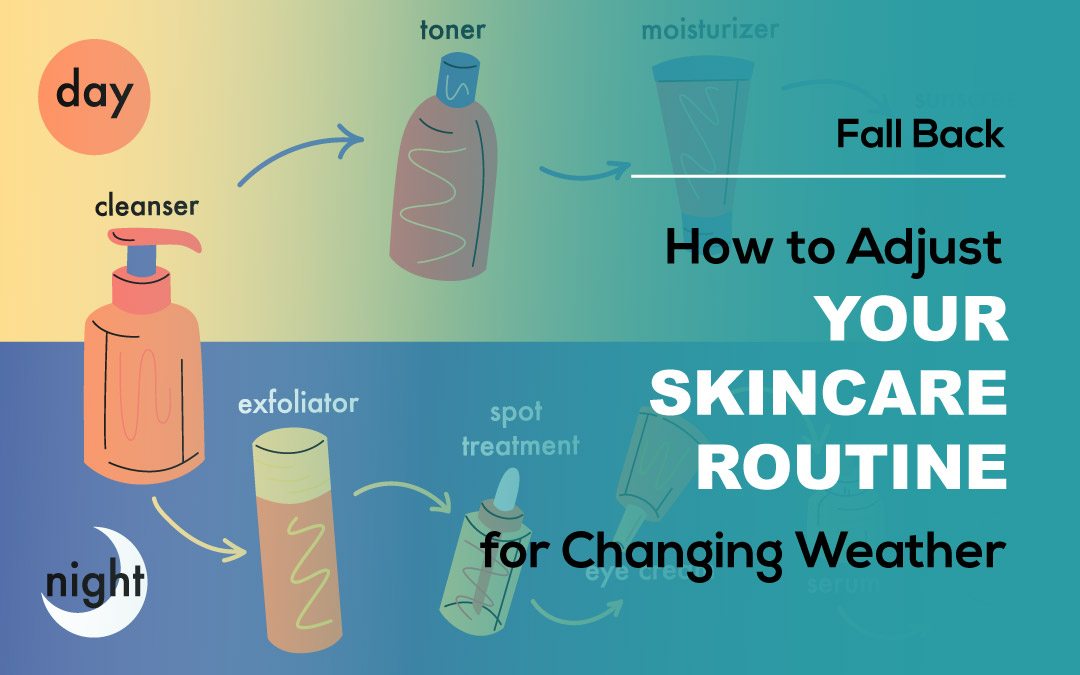
Even a skincare routine you love may need a small adjustment as the weather changes.
Your usual moisturizer might feel heavy during a humid afternoon but leave your cheeks wanting more support after a cooler, breezier week. You may notice changes after a long day in air conditioning, too.
Florida’s seasons can be subtle, but your skin can still respond to them.
The useful question is what has changed for you. Does your face feel tight after washing? Are products sitting uncomfortably under sunscreen? Are some areas shiny while others feel dry?
Those observations can guide a few thoughtful changes without turning your bathroom counter into a seasonal shopping project.
This guide explains how Florida’s weather can affect your skin and how to adjust cleansing, moisture, and protection around your needs. The aim is a skincare routine that stays manageable while helping your skin feel comfortable throughout the year.
How Florida’s Changing Weather Affects Your Skin
Florida skincare often involves more than choosing products for hot weather.
There are humid days, cooler spells, outdoor activities, and hours spent in climate-controlled spaces. Your skin experiences that combination even when the calendar doesn’t bring a dramatic change in season.
During warmer periods, sweat and surface shine may become more noticeable. Sweat mixed with oil, friction, and product buildup can contribute to irritation or clogged pores in some people.
A long outdoor workout may call for different practical care than an afternoon spent indoors.
Sergay Dermatology’s Florida skincare guide discusses lightweight product textures for hot, humid conditions. That can be helpful when rich formulas feel uncomfortable, although your individual needs still determine the right choice.
Dry skin may need a cream even when the weather is warm. A thick texture isn’t automatically unsuitable just because you live in Florida.
Cooler or less humid conditions can bring another concern: skin that feels tighter, rougher, or drier than usual.
Indoor air conditioning may contribute to dryness as well. You might leave a humid parking lot, spend several hours in an office, and notice that your cheeks feel uncomfortable by midafternoon.
Think about the conditions your skin encounters most often:
- Mostly outdoors: Sweat, sun exposure, and activity may influence cleansing and sunscreen habits.
- Mostly in air conditioning: Your skin may need more moisturizing support despite humid weather outside.
- Moving between both: Different areas may need different amounts or textures of moisturizer.
These situations can overlap.
A shiny forehead and tight cheeks don’t cancel each other out. Surface oil and skin hydration are different, so visible shine alone doesn’t tell you whether your skin is retaining enough moisture.
Sun exposure is another constant to consider. Cooler temperatures may make an outdoor walk more comfortable, but they don’t remove the need for UV protection.
Instead of assuming one “Florida routine” should suit everyone, start with how the environment affects your own comfort and habits.
Why Your Skin’s Needs Change Throughout the Year
A skincare product can remain useful even when the way you use it needs adjusting.
Perhaps a lightweight lotion suited your summer routine, but your cheeks now feel dry after a stretch of cooler weather. You may need a richer moisturizer in those areas rather than a new cleanser, serum, and sunscreen.
The American Society for Dermatologic Surgery recommends considering a cream as the air becomes drier and continuing sun protection during cooler months.
Those recommendations can be adapted to Florida’s conditions. You don’t need freezing temperatures to notice that your skin wants more moisture.
Likewise, returning to humid weather may make a heavy daytime cream feel less pleasant. A lighter formulation could be easier to wear while still supporting skin hydration.
What matters is the result on your skin.
If your current products feel comfortable and meet your needs, a seasonal label isn’t a reason to replace them. If something changes, look for the smallest useful adjustment first.
It can help to notice when discomfort appears:
- Immediately after cleansing
- After several hours indoors
- Following swimming or outdoor exercise
- After using an exfoliant or another treatment product
Timing gives you more information than simply deciding that you have “winter skin.”
Weather is also only one possibility. A new product, medication, or treatment can affect your skin, so don’t automatically blame a cooler week for irritation that began after another change.
Keep a brief note if patterns are hard to remember. “Cheeks feel tight after work, but not on days outside” can help you explain the concern during a consultation.
You don’t need an elaborate diary. A few specifics make it easier to choose sensible adjustments.
How to Adjust Your Skincare Routine for Different Weather Conditions
Keep gentle cleansing, suitable moisturizer, and daily sun protection as the foundation of your skincare routine.
Then adjust around the problem you’re noticing.
When products feel heavy in humid weather
Consider whether a lighter lotion or gel-cream would feel more comfortable during the day. You may prefer to keep a richer moisturizer for areas that need it or for another time of day.
Change one step first so you can judge the difference.
You don’t need to remove all moisturizing products just because your forehead looks shiny. The aim is comfortable hydration without layers you dislike wearing.
When cooler or drier air leaves skin tight
Look at your moisturizer and cleanser together.
A cream may provide more support than a light lotion, while a gentler cleanser may help if washing leaves your face feeling stripped. Adding more serum won’t necessarily solve discomfort caused by an unsuitable cleansing step.
You can also moisturize dry areas when needed instead of applying the same amount everywhere.
When outdoor activity changes your routine
After heavy sweating, gently wash away sweat and buildup rather than scrubbing harder. Use a clean towel and pat your skin dry.
If you’re heading outside again, restore sun protection according to the sunscreen directions. Moisturizer can be reapplied as needed after cleansing.
An outdoor day may require more attention to timing, even if the skincare products themselves stay the same.
When your routine already feels comfortable
Keep it steady.
Seasonal skincare advice is useful when it helps you address a concern. It doesn’t need to become a requirement to buy a new collection every few months.
One part of the routine deserves attention throughout the year: sunscreen.
Use broad-spectrum SPF 30 or higher on exposed skin before going outdoors. Choose water resistance when swimming or sweating, and follow the label’s directions.
Reapply approximately every two hours outdoors and after swimming or sweating. Shade, protective clothing, and a wide-brimmed hat add protection.
Cloud cover and cooler temperatures don’t make sunscreen unnecessary.
For a practical adjustment process, work through these questions:
- What feels different about my skin?
- Which step is most closely connected to that concern?
- Can I adjust one product, texture, or habit first?
- How will I decide whether the change helps?
For example, if cheeks feel dry during the workday, try addressing that moisture need before adding several new active ingredients.
Introduce new products gradually and follow their directions. If a product causes a reaction, stop using it and seek medical advice when symptoms are significant or persistent.
A useful adjustment should make the routine easier to tolerate and follow.
Choosing the Right Products for Your Skin
Texture is a good place to begin, but it isn’t the only thing that matters.

A lightweight gel may feel pleasant in humid weather, while a cream may offer more comfort when skin is dry. The formulation, your sensitivities, and how the product works with the rest of your routine all influence the fit.
Start with your cleanser.
It should remove makeup, sunscreen, and daily buildup without leaving your face painfully tight. A cleanser doesn’t have to produce a thick lather or a squeaky finish to do its job.
If washing feels uncomfortable, consider a mild, fragrance-free option before trying to compensate with additional products afterward.
For moisturizers, a few ingredient terms can help you understand what you’re choosing:
- Glycerin: A humectant that attracts water and helps support hydration.
- Hyaluronic acid: Another water-binding ingredient used in many hydrating formulas.
- Ceramides: Lipids found naturally in the skin barrier; suitable products containing them can help support moisture retention.
These ingredients can already be present in one moisturizer. You don’t automatically need a separate serum for each one.
The entire formula matters more than a single ingredient highlighted on the front of the bottle.
For example, a lightweight moisturizer containing glycerin may be enough for someone whose skin feels comfortable in humid weather. Another person may prefer a richer cream that combines hydrating ingredients with ingredients that reduce moisture loss.
Neither choice needs to be permanent.
You may use a lighter texture in the morning and a cream on dry areas at night. Or you may find that one dependable moisturizer works year-round with small changes in where you apply it.
Pay attention to tolerability, too. Fragrance-free options may be helpful if skin is easily irritated, and products labeled noncomedogenic may be worth considering if clogged pores are a concern.
Those labels don’t guarantee that every formula will suit every person.
Test new cosmetic products on a small area before broader use when appropriate, and introduce them one at a time. If you have known allergies or recurring reactions, seek personalized medical guidance.
Florida’s warmth can also bring concerns beyond product texture. Our article on skin flare-ups that may be triggered or worsened by Florida heat explains several possibilities and why similar symptoms may have different causes.
A recurring rash needs assessment. It shouldn’t be treated as proof that you simply chose the wrong seasonal moisturizer.
Maintaining Skin Hydration and Supporting Your Skin Barrier
Skin hydration deserves attention before dryness becomes severe enough to flake or crack.
Your skin barrier is the outer protective layer that helps limit water loss and keep irritants out. When skin becomes dry or irritated, ordinary products may feel less comfortable than they usually do.
Supporting that barrier involves both what you apply and how you treat your skin.
A richer moisturizer can be useful, but it may not be enough if your routine still includes repeated harsh cleansing, very hot water, or excessive exfoliation.
Consider your daily habits:
- Use warm rather than hot water for washing and showers.
- Apply suitable moisturizer after cleansing while skin is still slightly damp.
- Pat dry gently instead of rubbing with a towel.
- Review how many exfoliating steps you’re using.
- Keep comfortable products in place while making changes gradually.
Follow separate instructions for prescription skincare, since some treatments need to be applied to dry skin or used in a particular sequence.
You don’t need to change prescribed care on your own when the weather shifts. Discuss dryness or irritation with the clinician who prescribed it.
Exfoliation also deserves a review when skin feels more sensitive.
A scrub, exfoliating cleanser, and acid toner can create overlapping exposure. Even if each product felt manageable before, the combination may become uncomfortable when your skin is drier.
There isn’t one exfoliation frequency that everyone should follow throughout the year. The method, your other products, and your skin’s response matter.
If skin is irritated, peeling, or sunburned, don’t add extra exfoliation to remove the visible flakes.
It can be tempting to increase product strength when roughness appears. First consider whether your skin needs gentler treatment and more consistent moisture.
Skin barrier support doesn’t require a complicated collection.
A comfortable cleanser and moisturizer, sensible treatment-product use, and sun protection may provide a workable plan. More layers are useful only if they serve a need your current routine isn’t meeting.
Look beyond your face when making these adjustments. Hands and lips may become dry too, especially with frequent washing or breezy outdoor conditions.
Keep hand moisturizer accessible and choose lip protection that feels comfortable, including SPF when outdoors.
The goal is care you can continue through changing conditions without repeatedly pushing your skin into discomfort.
When Professional Skincare Can Help
If you’re unsure which part of your skincare routine needs adjusting, professional guidance can help you review the options.
You might want help choosing a moisturizer, simplifying overlapping products, or deciding whether a hydrating facial fits your cosmetic goals.
An esthetician can discuss your routine, observe the skin’s cosmetic appearance, and explain suitable services within their training and scope.
Our guide to when to see an esthetician in Florida can help you understand when that kind of support may be useful.
Bring information about what you actually use, including occasional products. Photos of labels can be easier than trying to remember names.
Helpful details include:
- When dryness, shine, or discomfort becomes noticeable
- Time spent outdoors, swimming, or in air conditioning
- Current cleansers, moisturizers, sunscreen, and exfoliants
- Previous reactions and known sensitivities
- Recent procedures and relevant medications
A specific description can guide the conversation. “My cheeks feel dry after hours at the office” is more informative than assuming your whole routine has stopped working.
At Glowing Results Skin Spa, discussing those everyday details helps connect cosmetic recommendations with your lifestyle and preferences.
A professional facial may complement home care through suitable cleansing, moisturizing masks, or other steps chosen for your skin. A hydration-focused service may improve comfort or appearance, although results and their duration vary.
Our article on the benefits of regular facials and how they fit into a skincare routine offers more background.
There’s no need to assume that changing weather requires a more intensive facial or more frequent appointments.
Ask what a recommended service is intended to do, why it suits your current skin, and whether it requires preparation or temporary changes afterward.
Mention upcoming beach days, boating, or travel before treatment so aftercare requirements can be considered when planning the appointment.
Persistent dryness or recurring irritation also needs careful judgment. If symptoms continue despite gentle care, or include pain, significant itching, a rash, cracking, or unusual changes, seek a dermatologist’s evaluation.
Cosmetic services shouldn’t be used to diagnose or treat an unexplained medical concern. Sometimes the appropriate next step is medical assessment before choosing a facial.
Find a Skincare Routine That Fits Florida’s Changing Weather
Adjusting your skincare routine can begin with one useful observation: how your skin feels now.
A moisturizer that feels heavy during humid weather may be easier to replace with a lighter texture. Dry cheeks during cooler or less humid periods may need a cream or more targeted moisture. Gentle cleansing and year-round sun protection remain dependable parts of the plan.
You don’t need to rebuild everything each season.
Keep what works, adjust what feels uncomfortable, and make changes gradually enough to understand your skin’s response. When a concern persists or feels unusual, get guidance rather than continuing to add products.
Not sure whether your skincare routine is keeping up with Florida’s changing weather? Contact Glowing Results Skin Spa to discuss your skincare needs and plan a personalized appointment. We’ll talk through your current products, concerns, and goals to help you explore an approach that fits your skin and everyday life in Cape Coral.
FAQs
Q: Should you change your skincare routine when the weather changes?
A: Adjust it when your skin’s needs change. You may benefit from a different moisturizer texture, gentler cleansing, or changes to optional treatment products. If your routine remains comfortable and effective for your needs, there’s no reason to replace everything simply because a new season begins.
Q: How does Florida’s humidity affect your skincare routine?
A: Heat and humidity can make sweat, shine, and product heaviness more noticeable. Lightweight formulas may feel more comfortable, and gentle cleansing after heavy sweating can help remove buildup. You may still need moisturizer, especially if parts of your skin feel dry or you spend hours in air conditioning.
Q: What skincare products help with dry skin during cooler weather?
A: A mild cleanser and suitable moisturizer are useful starting points. A cream may provide more support than a light lotion. Glycerin and hyaluronic acid help with hydration, while ceramides can support moisture retention and the skin barrier. Persistent or painful dryness should be evaluated by a dermatologist.
Q: Do you still need sunscreen when the weather gets cooler in Florida?
A: Yes. UV exposure continues during cooler and cloudy weather. Use broad-spectrum SPF 30 or higher on exposed skin before going outdoors. Reapply approximately every two hours outside and after swimming or sweating, following the product directions. Shade and protective clothing add protection.