
With so many products and routines to choose from, figuring out what your skin needs can feel overwhelming.
You may finally settle into a skincare routine, only to notice that your cheeks feel drier, breakouts keep returning, or a product you once enjoyed now feels uncomfortable.
Does that mean it’s time to start over?
Often, a closer look is more useful than a shopping trip. Your skin may need a small change, your routine may have become more complicated than necessary, or a concern may need professional advice.
The first step is noticing what has changed.
This guide will help you recognize signs worth paying attention to, review the products you already use, and build a daily routine that feels easier to manage.
You don’t need a new bottle every time a pimple appears. But you also don’t need to keep pushing through dryness, itching, or burning because you think that’s how skincare is supposed to work.
Start by Understanding What Your Skin Needs
Before deciding whether your routine needs changing, think about how your skin feels now.
A skin type you identified years ago can still be useful, but it doesn’t explain every concern you might have today.
You may recognize one of these familiar patterns:
- Dry skin: Often feels tight, rough, or flaky.
- Oily skin: Tends to develop noticeable shine during the day.
- Combination skin: Has oilier areas, often around the nose and forehead, alongside drier areas.
- Normal skin: Generally feels balanced without pronounced dryness or oiliness.
Sensitivity and breakouts can happen alongside any of these skin types.
Someone with oily skin may also find that certain products sting. Someone with dry skin may still need help with blackheads.
That’s why it helps to describe the concern instead of relying only on a label.
“My skin feels tight after washing” gives you a different starting point from “my moisturizer feels heavy by lunchtime.”
You may also be working toward a different goal than you were before. Perhaps you used to focus on shine, but your biggest concern now is feeling dry during the workday.
Age, hormones, medications, daily habits, and the environment can all play a part in skin changes. You don’t need to work out the exact cause on your own before asking for help.
Start with a few observations:
When does the discomfort appear? Is it happening everywhere or in one area? Did anything change around the same time?
Even a short note on your phone can help you explain what you’re noticing.
Your current needs deserve attention, whether that means keeping a simple routine or reviewing a step that no longer feels helpful.
What Are the Signs Your Skincare Routine Isn’t Working?
A routine worth reconsidering often gives you a pattern to notice, rather than one isolated bad skin day.
Look at what keeps happening and how it affects your comfort.
Your skin regularly feels tight or dry
If washing leaves your face uncomfortable, take another look at your cleanser, water temperature, and how often you’re cleansing.
You may also need a moisturizer that gives your skin more support.
For example, adding another serum may not help much if you’re still using a cleanser that leaves your cheeks feeling stripped each evening.
Breakouts keep returning or become more noticeable
A few pimples don’t automatically mean your entire routine is wrong. Breakouts can have several causes, including changes unrelated to a new product.
But if you notice a pattern after changing your routine, write down what changed and when.
Business Insider’s guide includes breakouts, excessive dryness, and irritation among reasons to review skincare habits.
Use those observations to start asking questions, rather than assume every breakout calls for a stronger treatment.
Products keep stinging, burning, or making you itchy
You don’t need to accept ongoing discomfort as proof that a product is working.
Stop using a cosmetic product that causes a reaction. If symptoms are severe, don’t settle, or keep returning, get medical advice.
If prescribed skincare is causing problems, contact the clinician who prescribed it for instructions about what to do next.
Your skin seems more easily irritated than usual
You might notice flaking, redness, rough patches, or that several products suddenly feel uncomfortable.
These can sometimes be signs of a damaged skin barrier.
Your skin barrier is its outer protective layer. It helps keep moisture in and irritating substances out. Harsh cleansing or too much exfoliation can interfere with that protection.
However, a list of symptoms can’t tell you for certain what’s causing the problem. A rash or a skin condition may look similar and need different care.
Adding more exfoliation to flaky, uncomfortable skin may make things worse. Gentle care and advice about persistent symptoms are a more sensible place to begin.
Your routine has become difficult to keep up with
Sometimes the issue is the routine itself.
If you have so many steps that you regularly skip everything, it may be time to simplify. A manageable routine can serve you better than a detailed plan that rarely fits your day.
How to Build a Daily Skincare Routine for Healthy Skin
When you’re unsure what to keep, return to the jobs your skin needs help with every day.
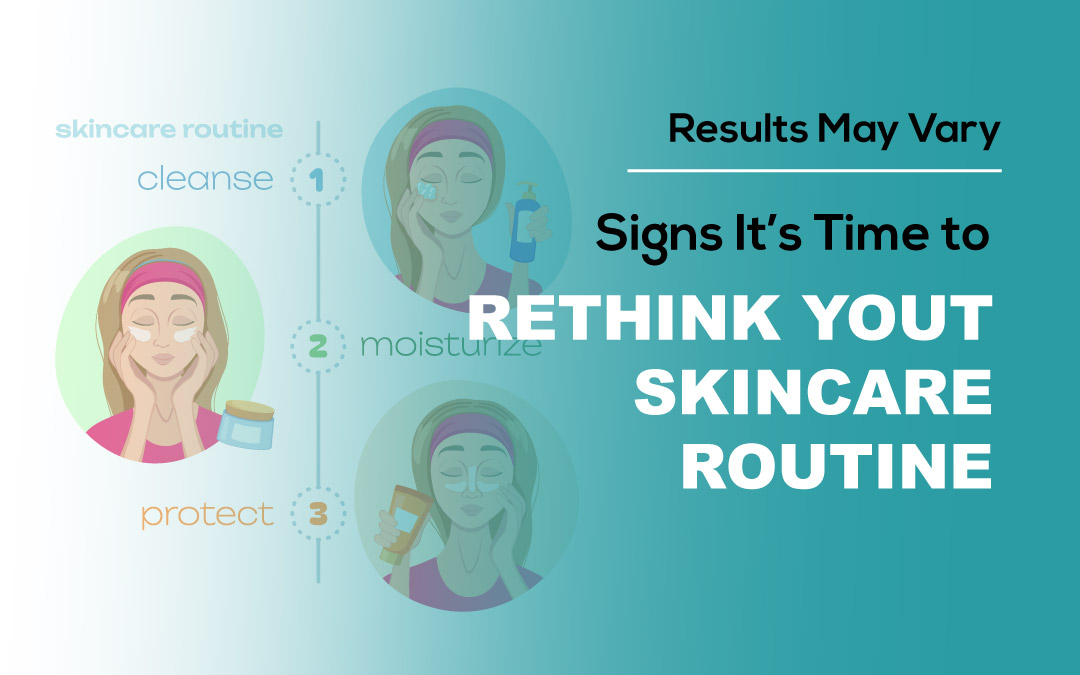
A skincare routine for healthy skin can begin with gentle cleansing, suitable moisturizer, and sun protection.
You can build around those basics once they feel comfortable and manageable.
Cleanse gently
Use a cleanser that removes makeup, sunscreen, and daily buildup without leaving your face painfully tight.
Wash with lukewarm water, use your fingertips, and pat dry with a clean towel.
Evening cleansing helps remove what has collected during the day. How you cleanse in the morning can depend on your skin and routine, and gentle washing after heavy sweating can also be helpful.
Repeated scrubbing isn’t a shortcut to clearer skin.
Moisturize
Choose a moisturizer that leaves your skin feeling comfortable.
A cream may feel better on dry areas, while a lotion or gel may be easier to wear when you prefer something lighter.
Apply moisturizer after cleansing while your skin is still slightly damp, unless another product’s directions call for a different approach.
Follow separate instructions for prescribed treatments. Some need to be applied to dry skin.
Protect your skin from the sun
Use broad-spectrum SPF 30 or higher on exposed skin before going outdoors.
Reapply about every two hours outside and after swimming or sweating, following the directions on the label. Shade and protective clothing provide extra protection.
Sunscreen belongs in the routine even when the sky is cloudy or your outdoor plans are brief.
Once you’ve covered these steps, ask whether an extra product has a clear job.
A serum may be useful for a particular concern. An exfoliant may help some texture concerns. Neither needs to be added simply because it appears in someone else’s routine.
Look at the whole picture, too. An exfoliating cleanser, toner, and scrub may be doing overlapping work.
More steps can make it harder to tell what helps and what leaves you uncomfortable.
Keep the basics steady where they suit you, then introduce changes one at a time. That gives you a better chance of understanding how your skin responds.
How Do You Choose Products That Support Your Skin?
Begin with the concern you want help with.
Are you trying to keep your cheeks from feeling tight? Find something that wears comfortably under sunscreen? Address recurring blackheads?
A product choice becomes easier to understand when you can connect it with a need.
The name on the front of the bottle is only part of the story. How a product feels, how often you use it, and what else is in your routine matter as well.
A few familiar ingredients may help you narrow your options:
- Hyaluronic acid helps hold water in the skin’s outer layers and is used in many hydrating products.
- Ceramides are fats naturally found in the skin’s protective layer. Suitable moisturizers containing them can help keep moisture in.
- Salicylic acid can help clear clogged pores, particularly blackheads and whiteheads, but may also cause dryness or irritation.
You don’t need a separate product for each ingredient.
Your moisturizer may already contain several ingredients that support hydration. Adding another serum won’t necessarily solve a concern that needs a different approach.
If you suspect a damaged skin barrier because your skin feels irritated and flaky, avoid building a stronger exfoliating routine around it. Ask for advice if the discomfort continues.
Our guide to choosing a skincare product that suits your skin type takes a closer look at ingredients, product feel, and signs something may not be a good match.
Before using a new cosmetic product widely, consider trying it on a small area first. Follow the product directions, and remember that a small-area test doesn’t guarantee you’ll never have a reaction.
Add one new product at a time so you can tell what changed.
An esthetician can help you look through your current products and discuss suitable cosmetic options. Persistent irritation or acne that needs treatment belongs with a dermatologist.
When Should You Change or Adjust Your Skincare Routine?

A useful reason to change a routine is that something about your skin or daily life has changed.
That might be a new concern, a different schedule, or weather that makes your usual products feel less comfortable.
When the weather affects how your skin feels
You may prefer a lighter moisturizer during a humid stretch and want a cream when the air becomes drier.
In Southwest Florida, time spent in air conditioning can also matter. Your skin may feel dry after hours indoors even when it’s warm and humid outside.
Our guide to adjusting your skincare routine for Florida’s changing weather explains how to make those smaller changes.
You may only need to adjust one product or use more moisturizer on a dry area.
When your usual day looks different
A new outdoor job, regular swimming, or a change in exercise habits may affect when you cleanse and reapply sunscreen.
A busier evening schedule may also make a long routine harder to follow.
For example, removing makeup and cleansing earlier in the evening may be easier than leaving every step until you’re ready to fall asleep.
Inspire’s article on reviewing self-care habits notes that routines can become less useful when our needs and circumstances change.
That’s a helpful reminder to make skincare fit your life instead of creating another difficult list of tasks.
When new skin concerns appear
Dry patches, more shine, or a change in texture may be worth reviewing. Consider what else happened around the same time before deciding which product to replace.
Did you add an exfoliant? Start washing more often? Begin a medication or have a professional treatment?
Those details may help a professional guide you.
When you need help making sense of it
You don’t have to keep buying products until something works.
At Glowing Results Skin Spa, discussing your current routine, concerns, and preferences can help you explore suitable cosmetic care. Bring product names or photos of labels, including things you use only occasionally.
A facial may fit some goals, but the first conversation can also help clarify which daily habits or products deserve attention.
Seek medical advice for persistent rashes, painful or scarring acne, significant swelling, or unusual skin changes. These concerns need more than another cosmetic product.
How Often Should You Rethink Your Skincare Routine?
There’s no set date when a routine expires.
If your products meet your needs and your skin feels comfortable, you can keep using them. A new season, a popular launch, or a friend’s recommendation doesn’t create a requirement to start again.
Instead, check in when you notice a meaningful change.
That may be dryness that keeps returning, discomfort after a step, or a routine that has become difficult to follow.
When a small adjustment makes sense, keep it focused:
- Choose the concern you want to address first.
- Keep comfortable products in place where possible.
- Change one step at a time.
- Note how your skin feels afterward.
- Ask for help if symptoms persist or become concerning.
This gives you more useful information than changing several bottles in the same week.
It also helps to separate patience from putting up with irritation.
A product aimed at acne or another ongoing concern may need several weeks before you can judge its results. Follow the directions and any review plan your healthcare professional has given you.
A moisturizer that burns every time you use it is a different situation. You don’t need to keep going just because the bottle is new or expensive.
Stop a cosmetic product that causes a reaction, and seek advice when needed. For prescribed skincare, contact your clinician about side effects and the next step.
You can also judge progress by ordinary changes:
Does cleansing feel comfortable? Are dry areas less bothersome? Is the concern you’re working on improving? Can you follow the routine without feeling overwhelmed?
You don’t need to photograph your face every morning or examine every pore. A brief note about a recurring issue is usually more useful than constant checking.
Before an appointment, write down your main questions and what you’ve tried. Ask when to review a suggested product or treatment and what changes should prompt an earlier call.
Rethinking your routine can lead to a small adjustment, a request for advice, or a decision to keep things as they are. Each can be a sensible outcome.
Let’s Make Your Skincare Routine Work for You
Your skincare routine should make caring for your skin feel more straightforward.
Pay attention to recurring dryness, irritation, breakouts, or changes that leave you unsure what to do. Start with gentle daily care, choose products for the concern you actually have, and make adjustments gradually when appropriate.
You don’t need to replace everything because your skin had an off day. You also deserve help when a problem keeps coming back.
A little attention to what has changed can make your next step clearer, whether that’s a different moisturizer, a simpler routine, or medical advice.
Not sure what your skincare routine needs next? Contact Glowing Results Skin Spa to talk through your current products and explore personalized skincare options. We’ll listen to what you’ve noticed, discuss your goals, and help you find an approach that feels right for your skin and your day.
FAQs
Q: What should a basic daily skincare routine include?
A: Start with a gentle cleanser, a moisturizer that suits your skin, and broad-spectrum SPF 30 or higher before going outdoors. Other products can be added when they serve a particular need. You don’t have to use a serum, toner, mask, and exfoliant just to have a helpful routine.
Q: How do I know if my skincare routine is working?
A: Your skin should generally feel comfortable, without ongoing burning, itching, or excessive dryness. Look at the concern you wanted to improve, too, and give suitable products time to work as directed. One pimple doesn’t mean the routine has failed, but worsening or persistent symptoms deserve advice.
Q: What are the signs of a damaged skin barrier?
A: Dryness, tightness, flaking, redness, and skin that stings easily can be clues that its outer protective layer needs gentler care. These symptoms can have other causes, though. Avoid adding more harsh products, and see a dermatologist if the problem continues, becomes painful, or includes a rash.
Q: How often should I change my skincare routine?
A: There’s no fixed schedule. Keep what works and reassess when your skin, daily habits, or environment changes. Sometimes one small adjustment is enough. Give suitable products time to work, but stop a cosmetic product that causes a reaction and get advice if you’re unsure what to do.