
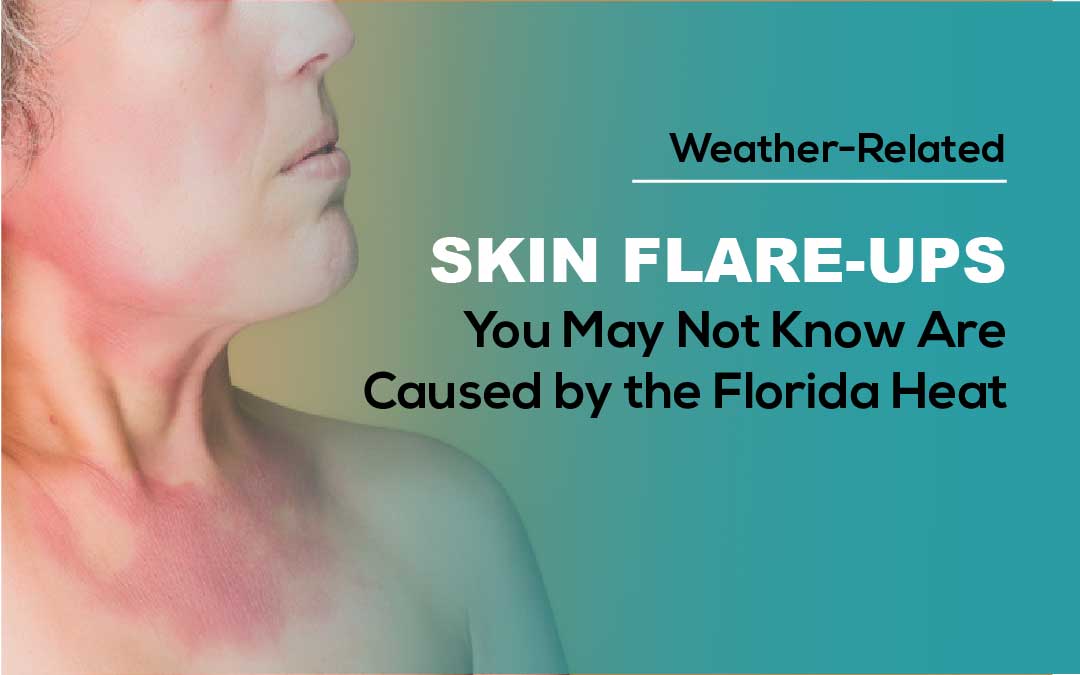
Living in Florida often means dealing with sweaty skin, bright sunshine, and high humidity. But what if the heat, humidity, and sun exposure were affecting your skin in ways you haven’t considered?
Many people assume recurring redness, irritation, itching, or discoloration are simply random skin issues. In reality, Florida’s climate can contribute to a variety of skin flare-ups, especially for individuals who are already prone to sensitivity or underlying skin conditions.
This guide explores several common skin flare-ups that may be triggered or worsened by Florida’s environment and explains when professional skin guidance may help identify what’s really going on.
Understanding how Florida’s environment interacts with your skin can help explain why certain symptoms seem to appear or worsen throughout the year.
Why Florida Heat Can Trigger Unexpected Skin Flare-Ups
Florida’s climate creates a unique combination of factors that can place stress on the skin.
These include:
- High temperatures
- Constant humidity
- Frequent sweating
- Strong UV exposure
- Increased environmental allergens
When heat and moisture remain on the skin for long periods, irritation can become more noticeable. Sweat can mix with oil, bacteria, and sunscreen residue, environmental pollutants, potentially clogging pores and increasing irritation.
Long-term sun exposure can also weaken the skin’s natural defenses. If you’re concerned about UV-related damage, you may find our guide to repairing sun-damaged skin helpful. Repeated exposure to heat and UV rays may also compromise the skin barrier, leaving skin more vulnerable to irritation.
While nearly anyone can experience irritation during hot weather, existing skin conditions become much more reactive during periods of extreme heat, causing flare-ups to happen more frequently or feel more severe than usual.
Common Skin Flare-Ups That May Worsen in Florida’s Climate
One of the challenges with skin conditions is that many share similar symptoms.
Common signs may include:
- Redness
- Itching
- Irritation
- Discoloration
- Increased sensitivity
Because symptoms overlap, it can be difficult to determine what’s actually causing the problem.
Some conditions commonly aggravated by Florida’s climate include:
- Heat Rash
- Eczema flare-ups
- Rosacea flare-ups
- Fungal skin infections
- Airborne contact dermatitis
Each condition responds differently to environmental triggers, even when symptoms appear similar.
What Happens When Heat and Humidity Stay on Your Skin
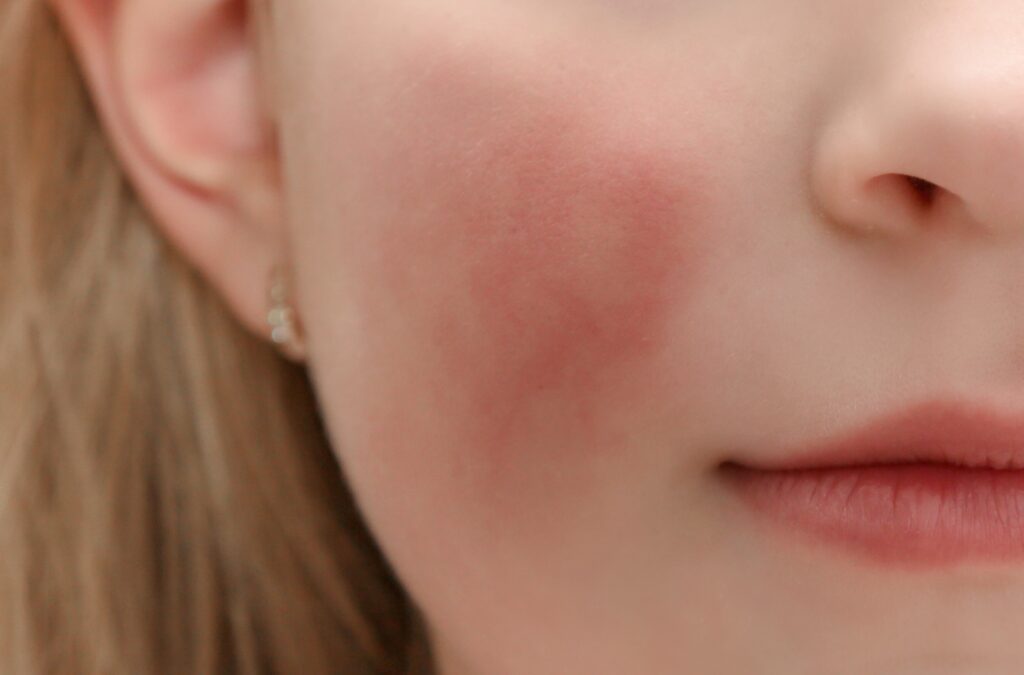
Persistent moisture and heat create an environment that can trigger several skin concerns.
Fungal Skin Infections
Warm, humid environments can encourage fungal overgrowth on the skin. This is one reason fungal skin infections tend to be more common in hot climates.
One condition frequently seen in warm weather is tinea versicolor.
According to the Mayo Clinic’s guide to tinea versicolor, common tinea versicolor symptoms include:
- Lighter patches of skin
- Darker patches of skin
- Mild itching
- Discoloration that becomes more visible after sun exposure
Because these patches often don’t tan normally, they can become especially noticeable during Florida summers.
Eczema Flare-Ups
For individuals prone to eczema, heat and sweat may increase irritation and itching. Excess moisture can make inflamed skin feel more uncomfortable and difficult to manage.
Airborne Contact Dermatitis
Environmental particles can sometimes trigger airborne contact dermatitis, a condition that develops when airborne allergens or irritants come into contact with the skin.
Research on airborne contact dermatitis explains how environmental exposures may contribute to recurring irritation in susceptible individuals.
Because symptoms often resemble other inflammatory skin conditions, professional evaluation can be extremely helpful.
When Professional Skin Guidance Can Be Helpful
One of the most frustrating aspects of recurring skin flare-ups is not knowing exactly what’s causing them.
Many conditions share overlapping symptoms, including:
- Redness
- Itching
- Dryness
- Irritation
- Discoloration
As a result, treating the wrong condition can delay improvement and sometimes worsen symptoms. For example, products intended for dryness may not improve fungal-related discoloration, while certain active ingredients may aggravate already-sensitive skin.
Professional skin guidance helps remove the guesswork by distinguishing between conditions that may appear similar but require very different approaches.
Instead of relying on trial and error, a skincare professional can help evaluate potential triggers and determine the most appropriate next steps.
This is especially important when dealing with possible rosacea triggers, persistent sensitivity, or recurring irritation.
What a Professional Skin Evaluation Can Reveal
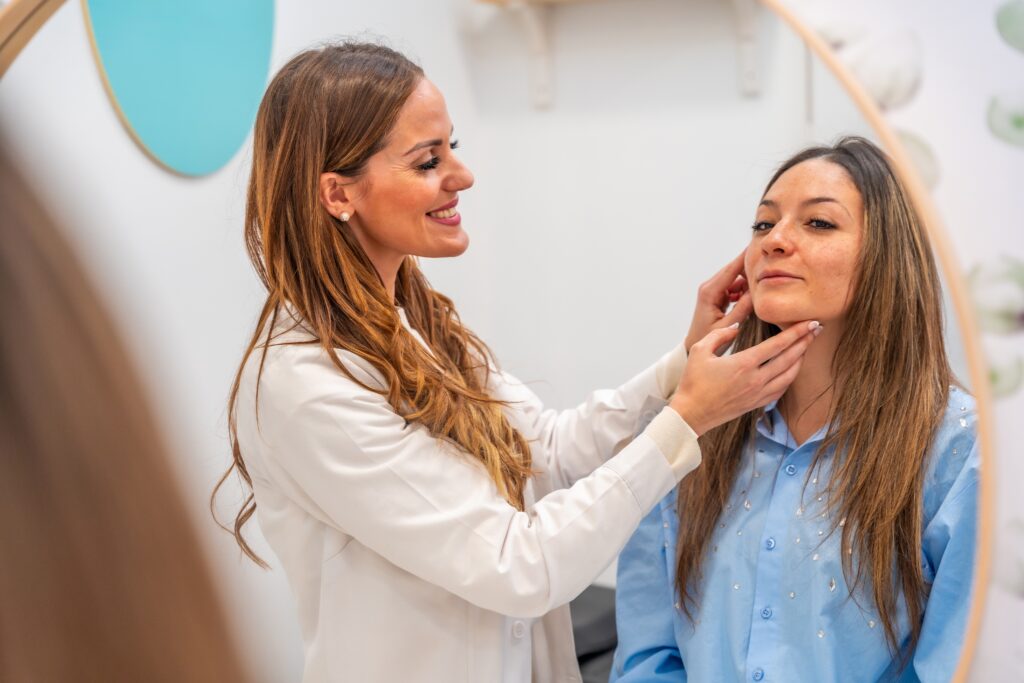
Many people focus only on the visible symptoms of a flare-up. However, the underlying trigger is often more important than the symptom itself.
A professional skin evaluation may include reviewing:
- Current symptoms
- Skincare products
- Environmental exposures
- Lifestyle habits
- Seasonal patterns
- Medical history
This broader picture often helps identify connections that aren’t immediately obvious.
For example, recurring redness may be linked to:
- UV exposure
- Product sensitivity
- Environmental allergens
- Excessive sweating
- Barrier damage
If skin barrier issues may be contributing to irritation, you may also benefit from reading our in-depth guide on Signs Your Skin Barrier Is Damaged (and How to Repair It Properly).
Professional guidance can then be used to create a more personalized skincare plan designed around your skin’s specific needs.
Why Personalized Recommendations Matter
Not every skin flare-up requires the same solution.
What helps eczema may not help fungal discoloration.
What helps rosacea may not improve contact dermatitis.
This is why personalized recommendations are so valuable.
Rather than following generic advice, a skincare professional can help identify:
- Potential triggers
- Environmental influences
- Product sensitivities
- Lifestyle adjustments
Over time, these customized recommendations often lead to healthier, more comfortable skin and fewer recurring flare-ups.
Managing Skin During Florida’s Hottest Months
Even if you don’t have a diagnosed skin condition, Florida’s climate can still increase skin sensitivity.
Some practical habits that may help include:
- Cleansing gently after excessive sweating
- Wearing breathable clothing
- Avoiding prolonged heat exposure when possible
- Applying sunscreen consistently
- Keeping the skin barrier hydrated
Maintaining a strong skin barrier is especially important because irritated skin is often more vulnerable to environmental stressors.
Simple preventative habits can often make a significant difference in reducing future flare-ups.
Are Your Flare Ups Being Caused by the Heat?
Florida’s heat, humidity, sweat, and UV exposure can contribute to a variety of skin flare-ups that aren’t always easy to identify on your own. Conditions such as eczema flare-ups, fungal skin infections, rosacea-related irritation, and airborne contact dermatitis may all become more noticeable in warm climates.
While Florida’s climate isn’t always the sole cause of skin irritation, it can be a significant contributing factor that is often overlooked.
Ready to Better Understand What’s Triggering Your Skin? Experiencing recurring skin flare-ups?
Contact our team here at Glowing Results Skin Spa today to schedule a professional skin consultation and receive personalized guidance for your unique skin concerns– no matter what is causing them.
FAQs
Q: Can Florida heat cause skin flare-ups?
A: Yes. Heat, humidity, sweat, and sun exposure can all contribute to irritation and worsen certain skin conditions.
Q: What are common signs of a heat-related skin flare-up?
A: Symptoms may include redness, itching, irritation, discoloration, dryness, or increased skin sensitivity.
Q: Can tinea versicolor become worse in hot weather?
A: Yes. Warm, humid conditions can create an environment where tinea versicolor becomes more noticeable.
Q: When should I seek professional help for recurring skin flare-ups?
A: If symptoms continue, frequently return, or are difficult to identify, professional skincare guidance can help determine the most appropriate next steps.