
Have you ever noticed your skin suddenly becoming more sensitive or reactive to products that used to feel completely fine? This could be a sign that your skin barrier is damaged and needs extra support to recover.
A weakened skin barrier can leave your skin feeling irritated, dehydrated, and uncomfortable– and if left untreated, those symptoms may continue to worsen over time. The good news is that with the right approach, skin barrier repair is absolutely possible.
In this guide, we’ll break down the most common signs your skin barrier is damaged, explain what causes it, and walk through how to restore balance and comfort to your skin safely and effectively.
So, What Is the Skin Barrier?
Your skin barrier is the outermost protective layer of your skin. Its job is to lock in moisture while defending against bacteria, pollutants, allergens, and environmental stress.
When your skin barrier is healthy, your skin typically feels:
- Smooth
- Hydrated
- Comfortable
- Balanced
A healthy barrier also helps your skin tolerate products and recover more easily from everyday stressors.
But when the barrier is weakened, moisture escapes more easily and irritants penetrate deeper. This can lead to dryness, redness, sensitivity, and inflammation.
Scientific research continues to reinforce the importance of barrier health. It plays a key role in maintaining overall skin balance and resilience, as discussed in this peer-reviewed dermatology study on skin barrier function.
The Cleveland Clinic also explains that the skin barrier acts like your body’s first line of defense against environmental stress and dehydration. Learn more in this overview from the Cleveland Clinic.
What Causes a Damaged Skin Barrier

There are several reasons someone may develop a damaged skin barrier, and often it’s a combination of factors rather than one single cause.
In most cases, this happens gradually over time rather than from one specific trigger.
One of the most common causes is over-exfoliation. While exfoliating can help smooth the skin, doing it too often can strip away natural oils and weaken your skin’s protective layer.
Other common causes include:
- Over-cleansing
- Harsh skincare products
- Excessive sun exposure
- Cold or dry weather
- Pollution and environmental stress
- Overuse of active ingredients like retinoids or acids
Over time, these habits can lead to a compromised skin barrier, leaving the skin more vulnerable to irritation and dehydration.
Clear Signs Your Skin Barrier Is Damaged
One of the clearest signs of a damaged skin barrier is sudden sensitivity. Products that once felt gentle may now sting, burn, or cause redness.
Common symptoms include:
- Persistent dryness
- Redness or inflammation
- Tightness after cleansing
- Burning or stinging when applying products
- Rough or flaky texture
- Increased sensitivity
Many people also notice their skin still feels dehydrated even after applying moisturizer. This happens because a weakened barrier struggles to retain water effectively.
These symptoms are often signs of sensitized skin and should not be ignored.
But How Do You Fix and Repair a Damaged Skin Barrier?
The first step in skin barrier repair is simplifying your routine.
When your skin barrier is damaged, less is usually more. Overloading your skin with active ingredients often slows recovery rather than helping it.
Start by:
- Removing harsh products
- Pausing exfoliants and strong acids
- Using gentle skincare products consistently
- Focusing on hydration and barrier support
Patience is important. Barrier repair takes time, and consistency matters more than trying many products at once.
Most people notice gradual improvements rather than immediate results, especially in the first few weeks of healing.
One helpful strategy is to focus on a simple, predictable morning and night routine until your skin begins to feel calmer and more stable.
If you’d like to better understand how professional care can support healthier skin overall, you can explore the benefits of regular facials here.
Best Products and Habits for Recovery
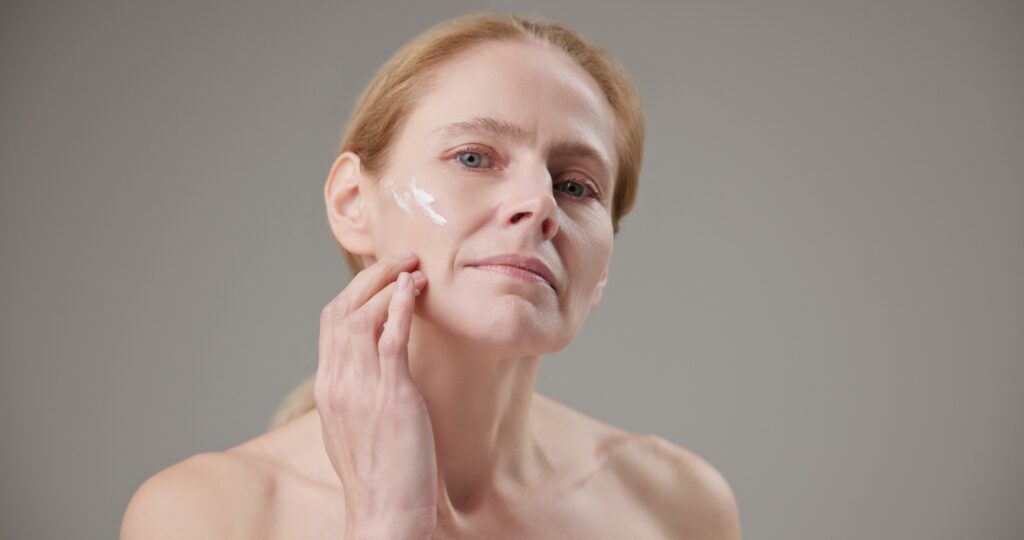
When your barrier is compromised, your skincare should focus on hydration, comfort, and repair.
Gentle cleansers are especially important because they remove buildup without stripping your skin further. Look for fragrance-free, sulfate-free formulas whenever possible.
Hydrating moisturizers also play a major role in restoring comfort and reducing irritation.
Some of the best ingredients for barrier recovery include:
- Ceramides
- Hyaluronic acid
- Glycerin
- Niacinamide
- Fatty acids
These ingredients help replenish moisture, strengthen the skin barrier, and improve resilience over time.
Consistency is key when repairing a for damaged skin barrier. Results usually happen gradually, not overnight.
What to Avoid While Healing
While your skin is healing, certain products can make irritation worse and delay recovery.
Try to avoid:
- Strong exfoliating acids
- Fragranced skincare
- Harsh scrubs
- Retinoids
- Alcohol-based toners
These ingredients and products can further weaken a compromised skin barrier, increasing dryness and sensitivity.
Even if a product worked well previously, your skin may temporarily need a gentler approach during recovery.
How Professional Facials Help Repair the Skin Barrier
Professional facial treatments can be incredibly supportive during skin barrier recovery– especially when customized carefully.
Hydrating facials and calming treatments help:
- Restore moisture balance
- Reduce inflammation
- Improve comfort
- Support long-term barrier repair
Unlike aggressive exfoliating treatments, barrier-focused facials use gentle techniques designed to calm and strengthen the skin.
Professional estheticians also adjust treatments based on how severe the irritation is, helping ensure your skin receives the right level of care without becoming overwhelmed.
For many clients, consistent professional treatments accelerate recovery while making skin feel healthier and more resilient overall.
What Do You Do with Signs of Damaged Skin?
A damaged skin barrier can affect everything from hydration to sensitivity to how your skin reacts to products. Fortunately, once you recognize the signs, there are gentle and effective ways to help your skin recover.
By simplifying your skincare routine, focusing on hydration, and avoiding irritating ingredients, you can support healthier, calmer skin over time. Professional guidance can also make a significant difference– especially if irritation persists or you’re unsure where to begin.
Ready to Help Your Skin Feel Comfortable Again?
Still not sure where to start with your skin? Don’t worry– book a consultation at Glowing Results Skin Spa, and we’ll help you figure out what’s going on and what your skin needs to get back on track.
FAQs
Q: What are signs your skin barrier is damaged?
A: Redness, dryness, irritation, tightness, and increased sensitivity are some of the most common symptoms.
Q: How do you fix a damaged skin barrier?
A: Focus on gentle skincare, hydration, barrier-support ingredients, and avoiding harsh exfoliants or strong active ingredients.
Q: How long does skin barrier repair take?
A: Recovery can take anywhere from several days to a few weeks depending on the severity of the damage and how consistently you support healing.