
Ever notice your skin looking a older overnight– duller, rougher, or less plump than usual?
It can be frustrating when fine lines suddenly look more noticeable or your makeup starts settling in places it usually doesn’t. But in many cases, what looks like early aging may actually be dehydrated skin.
Dehydrated skin is often temporary and happens your skin is lacks water, not collagen or firmness.
This guide will explain how dehydration can mimic aging, how to spot the difference, and what you can do to restore skin hydration and a healthier-looking glow.
What Dehydrated Skin Really Means (And Why It’s So Common)
Dehydrated skin occurs when it lacks water. This is different from lacking oil.
As a result, your skin can feel tight, rough, or dull while still producing normal oil. In fact, even oily and combination skin types can become dehydrated. Sometimes excess shine can hide the fact that the skin underneath feels tight, sensitive, or unbalanced.
Common causes of water loss in skin include:
- Cold weather
- Sun exposure
- Heated or air-conditioned indoor spaces
- Stress
- Not drinking enough water
- Harsh cleansers
- Over-exfoliation
- Inconsistent skincare routines
- A weakened skin barrier
Your skin barrier plays a major role in hydration. It helps lock in moisture while protecting the skin from outside stressors. When that barrier is disrupted, water can escape more easily, leaving the skin looking dull, rough, or tired.
Skin researchers often evaluate hydration through measurements like stratum corneum hydration and transepidermal water loss, both of which are connected to barrier function and skin aging, as discussed in this study on skin aging and water loss.
Dry Skin vs Dehydrated Skin: Why They’re Not the Same
The easiest way to remember the difference is this:
- Dry skin = lack of oil
- Dehydrated skin = lack of water
They can feel similar, but they are not the same concern.
Both dry and dehydrated skin may cause:
- Tightness
- Flaking
- Rough texture
- Discomfort
- Dullness
But they usually need different types of support.
Dry skin often benefits from richer, oil-based nourishment. Dehydrated skin needs water-focused hydration, usually from ingredients that help attract and hold moisture in the skin.
This is why people sometimes use heavier creams and still feel tight or dull. They may be adding oil when the skin actually needs hydration.
That mismatch can make a routine feel ineffective, even when the products are good.
How Dehydrated Skin Mimics Aging
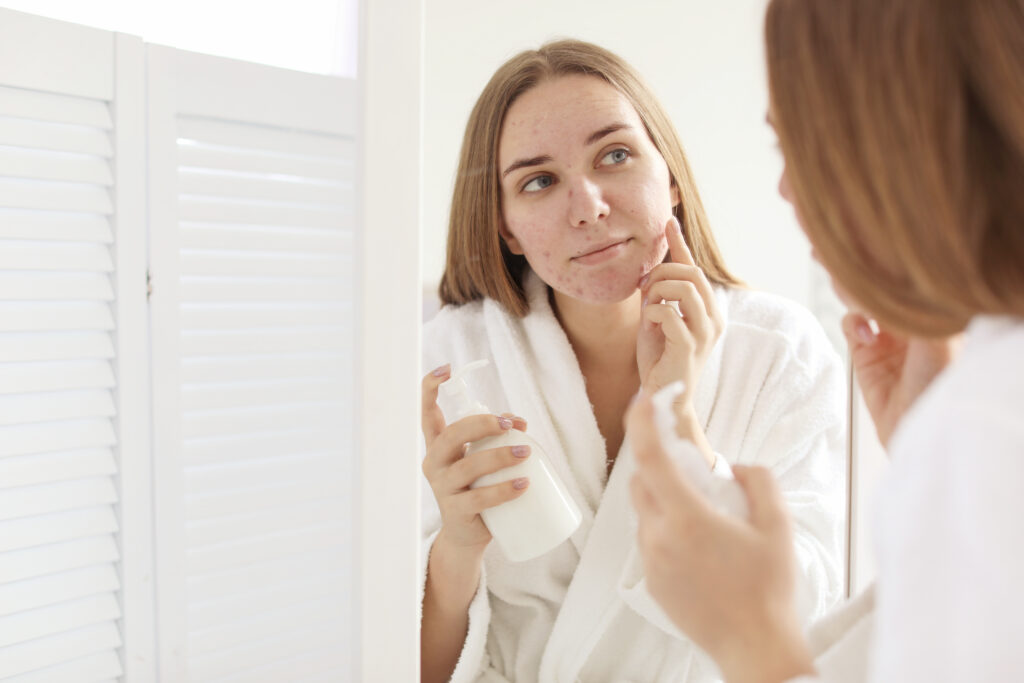
Dehydrated skin can make early aging signs look more dramatic than they really are.
When the skin is low on water, it may appear:
- Less plump
- Less bouncy
- More textured
- Duller
- More tired-looking
- More prone to visible fine lines and wrinkles
True structural aging involves deeper changes in collagen, elastin, skin firmness, and facial volume. Research on facial skin aging describes how intrinsic and extrinsic aging can contribute to wrinkles, laxity, thinning, and changes in the skin’s structure.
Dehydration is different. It can temporarily exaggerate the look of fine lines because the skin is not as hydrated and supple.
As hydration improves and the skin barrier recovers, your skin may look smoother and more radiant.
That is the good news: dehydrated skin can often improve quickly with the right care.
Key Signs Your Skin Is Dehydrated (Not Aging)
Dehydrated skin often appears suddenly, while signs of aging develop gradually over time.
Signs of dehydrated skin may include:
- Tightness shortly after cleansing
- Skin that feels “stripped” or uncomfortable
- Makeup settling into fine lines more than usual
- Rough texture despite oil production
- A dull or flat-looking complexion
- Fine lines that look worse one day and better another
- Increased sensitivity
- Skin that feels oily on top but tight underneath
These signs are often linked to temporary moisture imbalance, not permanent collagen loss.
If your skin suddenly looks older after travel, stress, weather changes, illness, over-cleansing, or a new skincare routine, dehydration may be part of the problem.
Want to explore professional options? Read our guide on hydration treatments for dehydrated skin and what actually works.
What Causes Dehydrated Skin in Everyday Life
Dehydrated skin can happen for many reasons, and most of them are part of normal daily life.
Environmental factors can make a big difference. Cold air, dry heat, humidity changes, and sun exposure can all affect the skin’s moisture balance. Indoor heating and air conditioning can also pull moisture from the skin, especially when your barrier is already stressed.
Skincare habits can also contribute. Over-cleansing, using harsh foaming cleansers, skipping moisturizer, or using too many active ingredients can strip the skin and weaken its natural protective barrier.
Lifestyle factors may also play a role, including:
- Lack of sleep
- Stress
- Poor nutrition
- Not drinking enough water
- Alcohol or too much caffeine
- Inconsistent skincare
- Skipping sunscreen
When the skin is already struggling to hold water, these factors can make dullness, texture, and fine lines more noticeable.
This is also where dehydrated skin and aging skin can overlap. As skin changes with time, barrier support and hydration become even more important.
Research on facial skin aging in humans notes that facial aging involves both intrinsic and extrinsic factors, including changes in elasticity, wrinkling, roughness, and barrier-related measurements.
How to Restore Hydration and Support the Skin Barrier
Restoring dehydrated skin usually starts with simplifying your routine.
Instead of adding harsh exfoliants or strong active ingredients, focus on gentle, layered hydration and barrier support.
Helpful steps include:
- Use a gentle cleanser
- Avoid hot water when washing your face
- Apply hydrating products to slightly damp skin
- Use humectants like hyaluronic acid or glycerin
- Follow with a moisturizer to help seal hydration in
- Wear sunscreen daily
- Pause harsh exfoliants if your skin feels sensitive
- Stay consistent before changing products again
Humectants help draw water into the skin. Barrier-supporting ingredients help keep that hydration from escaping. Together, they can improve texture, comfort, and glow over time.
The goal is not a temporary “quick fix.” The goal is to help your skin hold hydration more effectively so it looks smoother, calmer, and more naturally radiant.
How Professional Treatments Can Help Dehydrated Skin
At-home care matters, but professional treatments can be especially helpful when dehydrated skin keeps coming back.
Spa treatments can improve hydration while leaving your skin looking healthier and more refreshed. A professional can also evaluate whether your skin is truly dehydrated, dry, irritated, aging, or dealing with a damaged barrier.
That matters because the right plan depends on what your skin actually needs.
Professional skincare may help with:
- Dullness
- Rough texture
- Fine dehydration lines
- Loss of glow
- Tightness
- Uneven makeup application
- Skin that feels tired or stressed
Customized treatment plans can also make your at-home routine easier to follow. Instead of guessing between heavy creams, serums, masks, and trending products, you can use products that match your skin condition and goals.
If you are also thinking about long-term skin health, read our guide on creating an anti-aging skincare routine that actually works.
Is Dehydration Making You Look Older?
Dehydrated skin is often mistaken for aging, but it is not always a sign of permanent skin changes.
When the skin lacks water, fine lines and wrinkles may look deeper, texture may appear rougher, and the complexion may look dull or tired. But with better skin hydration, barrier support, and consistency, dehydrated skin can often look noticeably smoother and more refreshed.
Start with baby steps. Choose gentle products, focus on hydration, and avoid overwhelming your skin with harsh or overly active routines.
If you’d like personalized recommendations, schedule an appointment with our team for an in-person skin assessment.. Contact us today to book an appointment and see if your skin is getting the hydration it needs.
FAQs
Q: What is the difference between dehydrated skin and dry skin?
A: Dry skin lacks oil, while dehydrated skin lacks water. Both can feel uncomfortable, but they require different treatment approaches.
Q: Can dehydrated skin make wrinkles look worse?
A: Yes. Dehydration can temporarily exaggerate fine lines and make skin look less plump, duller, and more aged.
Q: What are the most common signs of dehydrated skin?
A: Common signs include tightness, dullness, uneven texture, roughness, increased sensitivity, and makeup sitting poorly on the skin.
Q: How do you treat dehydrated skin effectively?
A: Focus on consistent hydration, gentle skincare, and barrier-supporting ingredients. Professional treatments can also help restore moisture more deeply.