
After a certain age, most of us expect to notice changes like more visible wrinkles, fine lines, and drier skin. But have you ever wondered why these changes happen? What exactly is taking place beneath the surface as your skin ages, and is there anything you can do to slow the appearance of those changes?
The answer is more encouraging than you may think.
Although aging is a natural process that cannot– and does not need to– be stopped, many factors that affect the appearance and comfort of your skin can be supported through daily care.
Consistent sunscreen, hydration, healthy habits, and professional treatments can all help the skin retain moisture, protect its structure, and maintain a smoother, healthier-looking complexion.
This guide explains the science behind aging skin, what causes visible changes over time, and how professional treatments and a thoughtful skincare routine can help you care for your skin at every stage.
What Causes Aging Skin?
Aging skin develops through two main processes: intrinsic aging and extrinsic aging.
Intrinsic aging is the natural process that happens within the body over time. It is shaped largely by genetics and normal biological changes. As the years pass, skin cell turnover may slow, natural oil production may decrease, and the skin can become thinner or less efficient at retaining moisture.
Extrinsic aging comes from outside influences. Sun exposure is one of the biggest contributors, but pollution, smoking, chronic stress, nutrition, sleep habits, and the products you use can also affect how quickly visible changes appear.
Together, these processes may contribute to:
- Fine lines and wrinkles
- Dryness or roughness
- Uneven pigmentation
- Reduced firmness
- Thinner or more delicate skin
- Dullness
- Slower recovery from irritation
- Changes in facial texture
Genetics influence part of the aging process, but they do not determine everything. Two people of the same age may have very different complexions depending on their sun exposure, health, lifestyle, stress levels, and skincare habits.
Understanding these factors helps create more realistic expectations. Caring for aging skin is not about trying to look exactly as you did years ago. It is about maintaining hydration, comfort, resilience, and overall skin quality as your needs change.
The shift from fighting every visible change to supporting healthier skin function is also reflected in the growing idea of pro-longevity skincare. This approach focuses less on treating aging as a flaw and more on helping the skin remain healthy, functional, and well supported over time.
The Role of Collagen and Elastin in Healthy Skin
Collagen and elastin are two structural proteins that have a major influence on how your skin looks and feels.
Collagen provides the structure that helps maintain skin strength and firmness. You can think of it as part of the framework that helps support the skin.
Elastin helps skin maintain flexibility, allowing it to stretch and bounce back more easily. It contributes to flexibility and resilience.
As we age, collagen production naturally slows, and existing collagen fibers may become more vulnerable to damage. Elastin also changes over time, making it more difficult for the skin to maintain the same bounce and firmness it once had.
Collagen loss may contribute to:
- Fine lines and wrinkles
- Sagging
- Reduced skin firmness
- Thinner-looking skin
- Less defined facial contours
- Slower recovery after irritation
A scientific review of skin aging mechanisms and interventions explains that both natural aging and environmental exposure contribute to changes in collagen, elastin, skin cells, and the supportive structures within the dermis.
Protecting the collagen you already have is just as important as encouraging new collagen production. Daily sun protection, antioxidant ingredients, gentle skincare, and carefully selected professional treatments can all support the skin’s structure.
External Factors That Speed Up Skin Aging
Although aging is natural, everyday habits and environmental exposure can influence how quickly certain changes become visible.
Ultraviolet radiation is one of the leading causes of premature aging. Repeated sun exposure can damage collagen and elastin fibers, trigger uneven pigmentation, and make the skin appear rougher over time. This process is commonly called photoaging.
Photoaging may appear as:
- Dark spots or age spots
- Deeper wrinkles
- Uneven skin tone
- Rough texture
- Loss of elasticity
- Persistent dryness
- A leathery or weathered appearance
For Southwest Florida residents, frequent sun exposure from outdoor activities, errands, and time near the water can add up over the years..
Other outside factors can also accelerate the signs of aging skin. Smoking may reduce blood flow and contribute to collagen breakdown. Pollution and chronic stress can increase oxidative stress, while poor nutrition and inadequate sleep may affect the skin’s normal repair processes.
The goal is not to avoid the outdoors or worry about every environmental exposure. It is to understand which habits affect the skin so you can make practical choices that protect it.
Why Daily Prevention Matters More Than Correction
Preventing additional damage is often easier than trying to reverse changes that have accumulated over many years.
An effective anti-aging skincare routine does not need dozens of expensive products. It should begin with a few consistent steps:
- Cleanse gently
- Moisturize regularly
- Apply broad-spectrum sunscreen every morning
- Use targeted ingredients based on your concerns
- Avoid aggressive exfoliation
- Give products enough time to work before replacing them
Daily sunscreen is one of the most important steps for wrinkle prevention. UV exposure accelerates collagen and elastin breakdown and contributes to pigmentation, dryness, and uneven texture.
Harvard Health recommends daily broad-spectrum SPF 30 or higher as part of caring for aging skin, age spots, and wrinkles. Sun protection matters even on cloudy days because UV exposure can still reach the skin.
Antioxidants like vitamin C may help protect the skin from environmental stress while supporting a brighter, more even-looking complexion. Retinoids can encourage renewal and support collagen production, but they should be introduced slowly because they may cause irritation, particularly in dry or sensitive skin.
Consistency is more important than product overload. A simple routine you follow every day will generally support your skin more effectively than a complicated routine you use only occasionally.
Looking for a daily plan that supports healthier skin as you age? Read our guide on how to create an anti-aging skincare routine that actually works for a practical breakdown of cleansing, treating, moisturizing, and protecting your complexion.
How Professional Treatments Support Aging Skin
At-home skincare provides the daily foundation, but professional treatments can offer additional support based on your specific concerns.
Professional treatments can complement your home routine by supporting hydration, exfoliation, circulation, renewal, and other aspects of skin health.
Because every person’s skin ages differently, treatment options are selected based on individual concerns and goals. These may include:
- Customized facials
- Chemical peels
- Microneedling
- LED light therapy
- Microcurrent treatments
- Hydration therapies
- Gentle resurfacing treatments
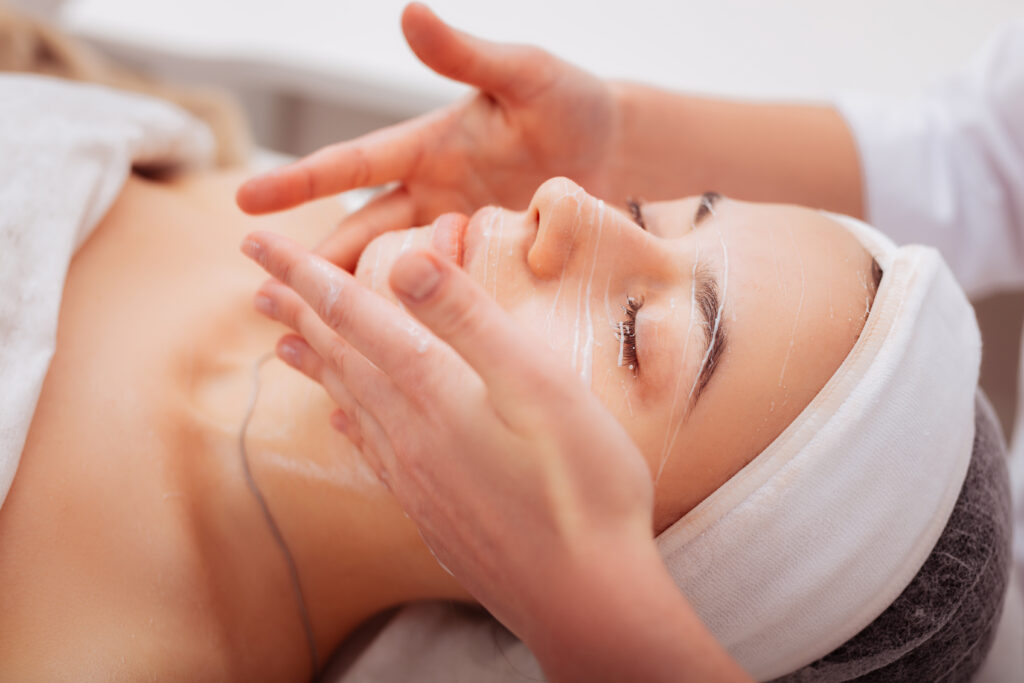
Customized facials can address dryness, dullness, congestion, or uneven texture while helping the skin feel refreshed and balanced. They may include gentle exfoliation, hydrating masks, targeted serums, massage, or other steps selected for your skin.
Chemical peels use controlled exfoliation to help improve surface texture and support cell renewal. Microneedling creates carefully controlled micro-injuries that encourage the skin’s natural repair response and may promote collagen production.
LED therapy may be used as a gentle complement to other services, while microcurrent treatments focus on the appearance of facial tone and firmness.
The right skin aging treatment depends on several factors:
- Your skin type
- Your current concerns
- Your sensitivity level
- Previous sun exposure
- Your home skincare routine
- Your treatment history
- Your comfort level
- Your short- and long-term goals
Stronger is not automatically better. The most appropriate treatment is one that matches your skin’s tolerance and addresses your concerns without causing unnecessary irritation.
Why Personalized Treatment Plans Produce Better Results
Everyone’s skin ages differently.
One person may be most concerned about fine lines and wrinkles. Another may be dealing with dark spots, dryness, sensitivity, dullness, or loss of firmness. Even people with similar concerns may need different products and treatment intensities.
A professional skin evaluation may help identify:
- Dehydration that is exaggerating fine lines
- Sun damage contributing to uneven pigmentation
- Sensitivity that limits certain treatments
- Congestion affecting skin texture
- Barrier damage that should be addressed before exfoliation
- Areas where collagen stimulation may be beneficial
This is why customized skincare plans can be more effective than following a one-size-fits-all routine. A trained skincare professional can adjust products and treatments based on how your skin responds. Your routine can also evolve as your skin’s needs change over time. Professional treatments also work best when paired with consistent home care. An occasional facial cannot replace sunscreen, moisturizing, or healthy daily habits. At the same time, an at-home routine may not provide the controlled exfoliation, specialized techniques, or personalized analysis available during an appointment.
New to professional skincare? Our step-by-step guide to what happens during a professional facial explains the consultation, cleansing, exfoliation, extractions, massage, and customized care that may be included.
Healthy aging focuses on maintaining skin function, hydration, resilience, and overall quality– not chasing perfection or expecting every line to disappear.
Supporting Healthier Skin as You Age
Skincare products and treatments matter, but they are not the only influences on aging skin.
Because your skin is connected to your overall health, daily habits can influence how it looks, feels, and responds to skincare.
Helpful habits include:
- Getting consistent sleep
- Drinking enough water
- Eating a balanced diet
- Including healthy fats and antioxidant-rich foods
- Exercising regularly
- Managing stress where possible
- Avoiding smoking
- Limiting excessive alcohol
- Protecting your skin from the sun
Sleep gives the body time to carry out many of its normal recovery processes. Hydration supports general body function, although drinking water alone cannot replace moisturizer when the skin barrier is dry.
Balanced nutrition provides the protein, vitamins, minerals, and fats the body uses to maintain healthy tissue. Exercise supports circulation and overall wellness, while stress management may help protect sleep quality and make healthy routines easier to maintain.
These habits do not guarantee wrinkle-free skin. Instead, they create a supportive foundation for skin longevity and help your professional treatments and home routine work together more effectively.
Consistency Is the Key to Long-Term Skin Health
Most skincare improvements happen gradually, which is why consistency is one of the most important parts of any routine.
A moisturizer may help your skin feel more comfortable right away, but changes in pigmentation, firmness, texture, or collagen support usually require time and consistency. Professional treatments also tend to work best as part of an ongoing plan rather than as a single appointment.
Your skin continues to change throughout your life. Hormones, medications, health, stress, weather, sun exposure, and lifestyle changes can all affect what it needs.
Regular appointments allow your skincare professional to:
- Monitor changes in your skin
- Adjust treatment intensity
- Recommend different products when necessary
- Support seasonal hydration needs
- Help prevent overuse of active ingredients
- Keep your routine aligned with your goals
Healthy aging is a partnership between daily habits and professional care. The goal is not to create an exhausting anti-aging skin care routine. It is to build a realistic plan you can maintain while your skin evolves.
Supporting Aging Skin with Consistent Care
Aging skin develops through a combination of natural biological changes and outside influences. Collagen production slows, cell turnover becomes less efficient, moisture retention changes, and years of sun exposure may gradually become more visible.
Although aging cannot– and does not need to– be stopped, consistent skincare can help preserve hydration, protect existing collagen, and improve the appearance of fine lines and wrinkles, texture, and uneven tone.
Professional treatments can complement those habits by supporting renewal, hydration, and your individual skin goals.
The best skincare routine is one designed around your current needs, goals, and lifestyle. If you are ready to create a skincare plan designed for your unique needs, our team here at Glowing Results Skin Spa would love to help.
Schedule a consultation today to explore personalized treatments and recommendations that support healthier, more radiant skin for years to come.
FAQs
Q: What causes aging skin to change appearance?
A: The appearance of aging skin is caused by natural biological changes as well as outside factors such as sun exposure, smoking, pollution, chronic stress, and lifestyle habits. Genetics influence how the skin ages, but daily care and protection may affect how quickly visible changes develop.
Q: What are the first signs of aging skin?
A: Common signs of aging skin include fine lines, increased dryness, uneven skin tone, dullness, rougher texture, and a gradual reduction in firmness or elasticity. These changes often become noticeable around the eyes, mouth, forehead, and areas frequently exposed to the sun.
Q: What is the best skin aging treatment?
A: There is no single best treatment for everyone. Customized facials, chemical peels, microneedling, LED therapy, and carefully selected skincare products may address different concerns. The right option depends on your skin type, sensitivity, goals, health history, and the specific changes you want to improve.
Q: Can anti-aging skin care really slow the signs of aging?
A: A consistent routine can help reduce preventable damage and support healthier-looking skin. Daily sunscreen, regular moisturizing, antioxidants, gentle cleansing, and appropriate targeted ingredients may help preserve skin quality and reduce premature aging, although they cannot stop the natural aging process.