
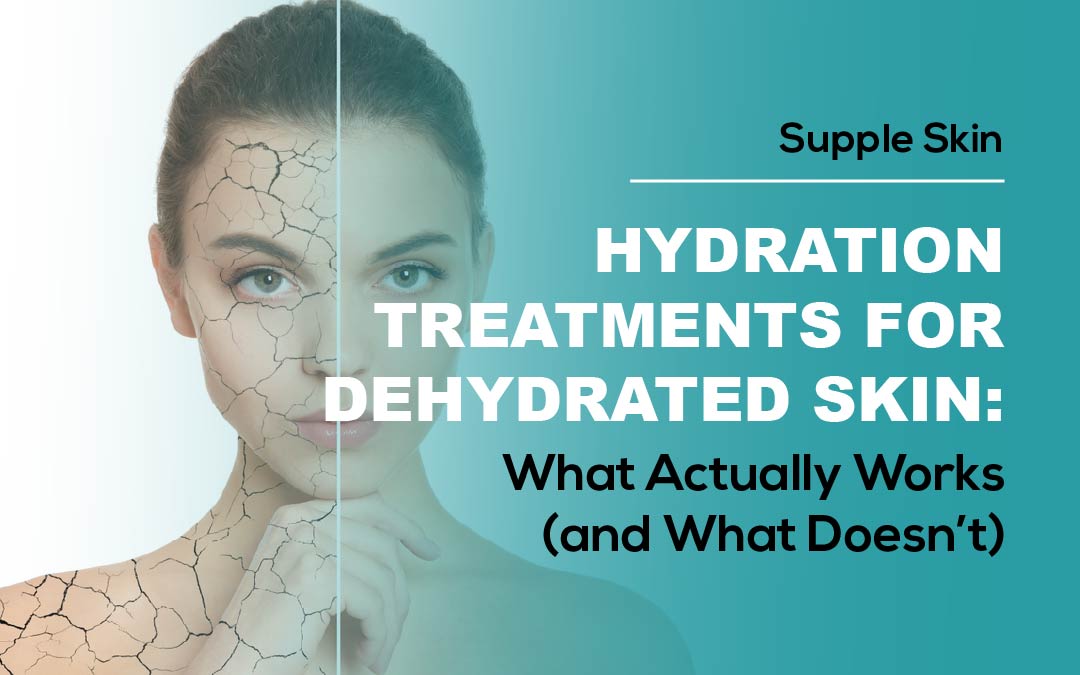
We often hear that hydration is the key to achieving naturally glowing skin– but is it really as simple as drinking more water?
Not quite.
Many people assume they have dry skin when, in reality, they’re dealing with dehydration. The difference matters more than you might think, because using the wrong products can actually make your skin feel tighter, duller, and more irritated over time.
In this guide, we’ll break down what dehydration really is, how to properly hydrate your skin, and which hydration treatments actually work.
Understanding Dehydrated Skin: What’s Really Happening?
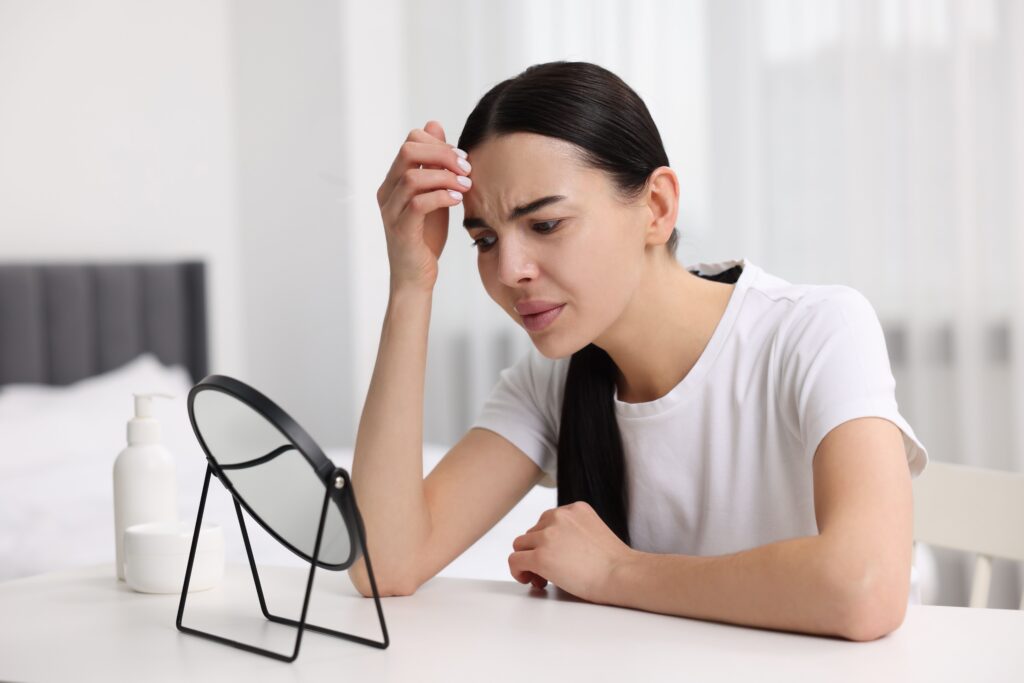
Dehydrated skin doesn’t mean your skin lacks oil– it means your skin lacks water.
This is one of the most common misconceptions in skincare. Even people with oily or combination skin can experience dehydration, especially when the skin barrier is compromised.
Common causes of dehydration include:
- Over-cleansing or harsh skincare products
- Weather changes, dry air, or humidity
- Not using enough hydrating ingredients
- Lifestyle factors like stress or lack of sleep
When your skin becomes dehydrated, it may appear:
- Tight or irritated
- Dull or uneven
- Rough in texture
- More prone to fine lines
Dermatology guidance emphasizes that maintaining hydration is essential for overall skin health and function.
Dry vs Dehydrated Skin (and Why It Matters)
Understanding dry vs dehydrated skin is one of the most important steps in choosing the right treatment. Here’s why that matters:
- Dry skin lacks oil
- Dehydrated skin lacks water
This means:
- Oily skin can still be dehydrated
- Heavy creams may not solve dehydration
- Hydration requires different ingredients than moisturizing
According to Healthline’s explanation of dry vs dehydrated skin, misidentifying your skin concern can lead to ineffective routines and slower results.
Knowing the difference allows you to choose better skin hydration tips and more effective treatments.
Best Ingredients for Hydrated, Healthy Skin
Not all skincare products actually hydrate your skin– some simply seal in moisture.
True hydration comes from ingredients that attract water and help your skin retain it. These are known as humectants and barrier-repair ingredients.
Consistency is key. Using the right ingredients regularly can significantly improve hydration levels and overall skin texture.
How These Ingredients Help Restore Your Glow
Here are some of the most effective ingredients to look for:
Hyaluronic Acid
Hyaluronic acid draws water into the skin, helping it appear plumper and smoother. It’s one of the most effective ingredients for boosting hydration levels. Learn more about how it works in this Cleveland Clinic guide to hyaluronic acid.
Glycerin
Glycerin helps lock moisture into the skin and supports long-lasting hydration.
Ceramides
Ceramides strengthen the skin barrier, preventing water loss and protecting against environmental stressors.
Aloe Vera
Aloe provides lightweight hydration while calming irritation– making it ideal for sensitive or dehydrated skin.
Together, these ingredients form the foundation of effective hydration skin products.
How to Support Skin Hydration at Home
Hydration isn’t just about the products you use– it’s about how you use them.
To improve results:
- Apply hydrating products to slightly damp skin
- Layer lightweight products instead of heavy creams
- Avoid harsh exfoliation
- Stick to a consistent routine
Supporting your skin barrier helps prevent water loss and improves how your skin holds hydration over time.
Simple Hydration Tips That Actually Work
If your skin feels dehydrated, small changes can make a big difference.
Start with a few simple adjustments:
- Use products with hyaluronic acid to attract water
- Follow with a moisturizer to seal hydration in
- Avoid alcohol-based or stripping cleansers
- Drink enough water throughout the day
Hydration is both internal and external, and maintaining that balance helps your skin stay comfortable, smooth, and healthy.
Research on skin hydration confirms that proper moisture balance improves elasticity, texture, and overall appearance, as discussed in WebMD’s overview of skin hydration.
What to Expect from Hydration Treatments at the Spa
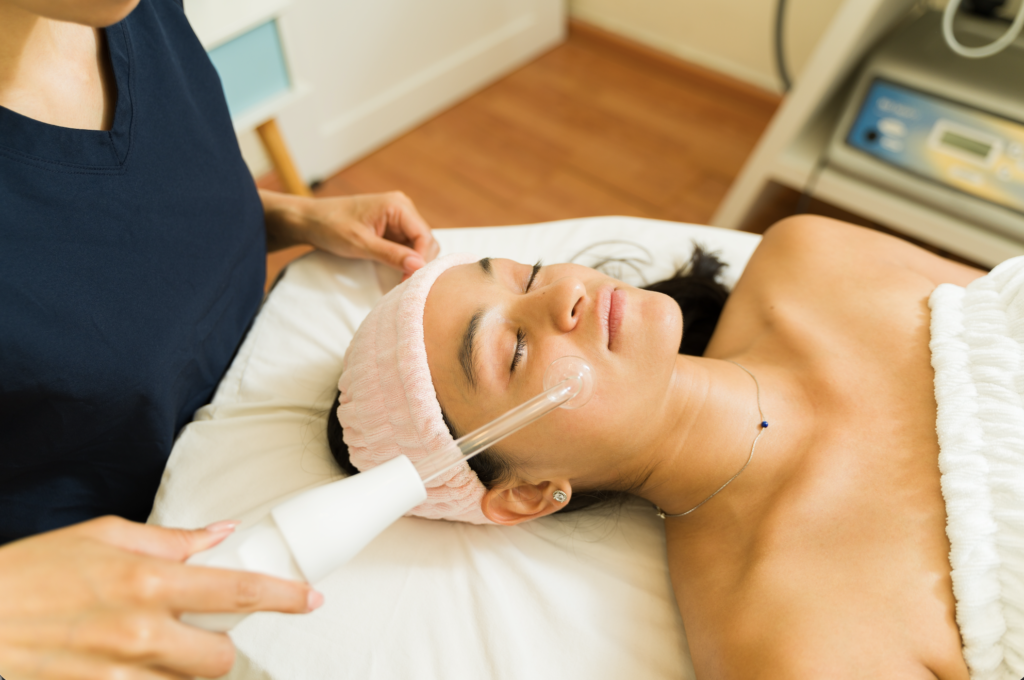
Professional hydrating facial treatments can deliver faster and more noticeable results than at-home care alone.
These treatments may include:
- Oxygen facials
- Deep hydration masks
- Hyaluronic acid infusions
- Barrier-repair treatments
They help boost moisture levels, calm irritation, and leave the skin feeling softer and more refreshed.
If you’d like to better understand how daily skincare supports these results, check out our guide to building a simple skincare routine.
Why Professional Hydration Treatments Make a Difference
Professional treatments work deeper within the skin than most at-home products.
An esthetician can:
- Target dehydration at multiple layers
- Use professional-grade ingredients
- Customize treatments based on your skin’s needs
The result is faster improvement in texture, smoothness, and overall glow.
For clients with persistent dehydration, regular hydration treatments can significantly improve long-term skin health.
So What Actually Works?
Hydration isn’t just about using more products– it’s about using the right ones in the right way.
Understanding the difference between dry and dehydrated skin, choosing effective ingredients, and supporting your routine with professional care can transform how your skin looks and feels.
With the right approach, your skin can regain its natural balance, smoothness, and glow.
Ready to Restore Your Skin’s Natural Glow?
Ready to restore your skin’s natural glow? Book a consultation at Glowing Results Skin Spa to find the right hydration treatment for your skin and build a routine that actually works for you.
FAQs
Q: What are hydration treatments?
A: Hydration treatments are professional skincare services that restore moisture, improve texture, and enhance overall skin appearance.
Q: How do I know if my skin is dehydrated?
A: Dehydrated skin often feels tight, looks dull, and may show fine lines or uneven texture.
Q: Can oily skin still need hydration treatments?
A: Yes– oily skin can lack water and may even produce more oil when dehydrated.
Q: How often should I get hydration treatments?
A: Most people benefit from treatments every 3–6 weeks depending on their skin needs.