
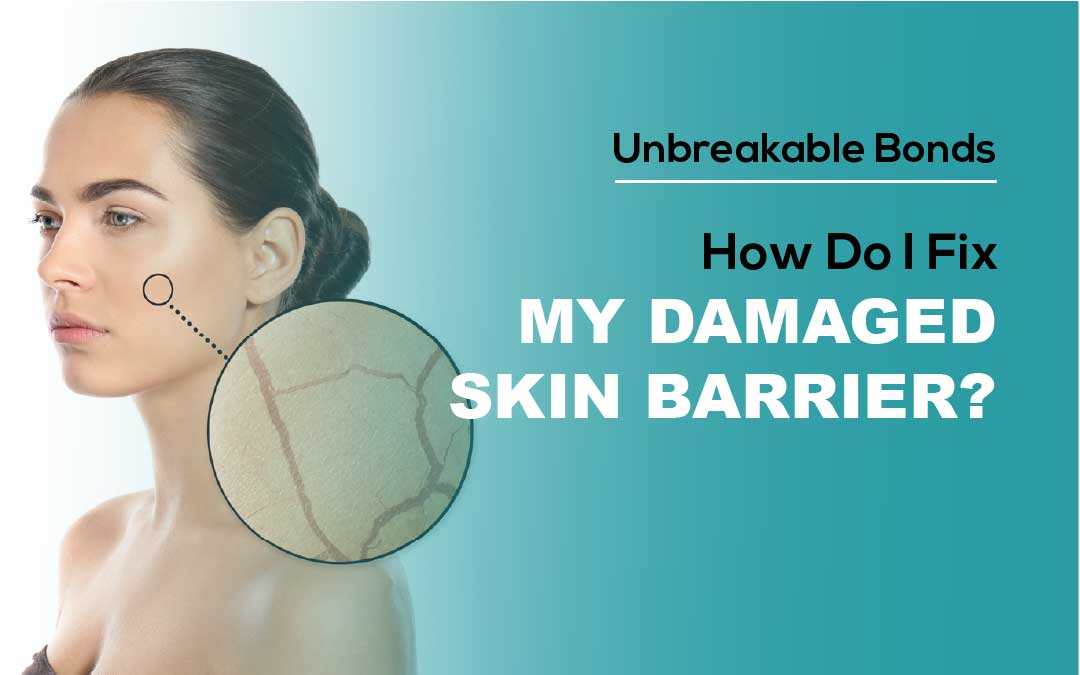
Has your skin started stinging after applying skincare products or feeling tight, dry, and irritated throughout the day? If so, your skin barrier may be in need of some support.
The good news is that skin barrier recovery is possible. The challenge is that many people accidentally make things worse by continuing to use harsh products or trying too many new treatments at once. When your skin is already irritated, more products can make it worse.
This guide focuses on what to do after skin barrier damage occurs. Instead of diagnosing the problem, we’ll walk through a practical recovery roadmap that helps calm irritation, rebuild moisture balance, and support healthier skin over time.
Understanding what’s happening beneath the surface makes recovery much easier.
What Your Skin Barrier Needs to Recover
Your skin barrier is your body’s natural protective shield. It helps lock in moisture while protecting your skin from environmental irritants, pollutants, bacteria, and daily stressors.
When that barrier becomes compromised, the goal is not to aggressively treat the skin. Instead, recovery focuses on restoring hydration, reducing irritation, and allowing the skin to rebuild itself.
Research on healthy and compromised skin barriers emphasizes that barrier recovery depends heavily on maintaining moisture balance and reducing stress placed on the skin. This is discussed in this article on understanding the epidermal barrier in both healthy and compromised skin.
Think of recovery as rehabilitation rather than correction. Your skin doesn’t need stronger treatments– it needs gentler care and consistency.
What Commonly Triggers Barrier Stress During Recovery
Once your barrier has been compromised, certain habits can make recovery take much longer.
Some of the most common things to avoid include:
- Over-exfoliating
- Using strong acids
- Excessive cleansing
- Retinoid overuse
- Frequent product switching
- Environmental stress (such as sun exposure, wind, pollution, and low humidity)
For someone with over-exfoliated skin, continuing to use exfoliants often prolongs irritation rather than helping it.
Weather can also play a role. Sun exposure, wind, low humidity, and pollution may increase dry irritated skin symptoms while the barrier is healing.
Your goal should be to reduce skin stressors as much as possible. The most important part of recovery is simplifying everything.
The First Step in Skin Barrier Recovery
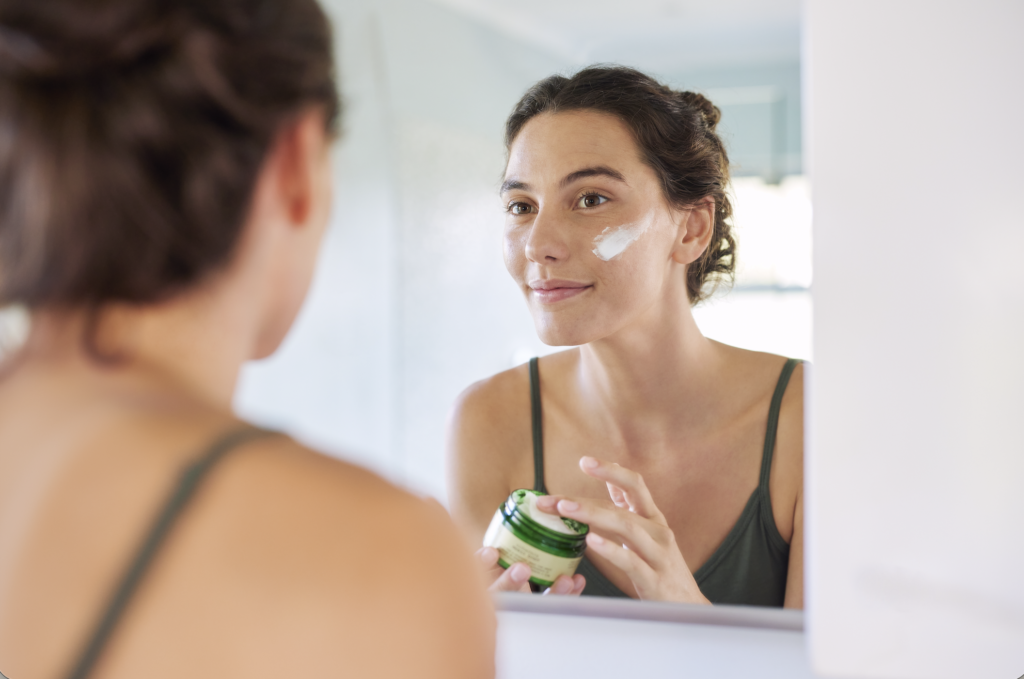
If there is one thing that matters most during skin barrier recovery, it’s simplification.
Many people instinctively reach for more products when their skin becomes irritated. In reality, the first step in learning how to fix skin barrier issues is often removing products rather than adding them.
Consider temporarily stopping:
- Strong exfoliants
- Retinol products
- High-strength acids
- Physical scrubs
- Fragranced treatments
Instead, return to a basic routine:
- Gentle cleansing
- Consistent moisturizing
- Daily sunscreen
This approach allows your skin to recover without constantly being challenged by active ingredients.
Hydration is the foundation of repair. Supporting moisture balance matters more than introducing new active ingredients. One of the most difficult parts of recovery is patience. Improvement often happens gradually over several weeks rather than overnight.
What Skin Barrier Recovery Usually Looks Like
Days 1–7
During the first week, the goal is reducing irritation rather than seeing dramatic improvement. Your skin may still feel tight, sensitive, or slightly uncomfortable, but simplifying your routine and focusing on hydration gives your barrier the environment it needs to begin healing.
Weeks 2–4
Many people begin noticing less redness, improved comfort, and better moisture retention during this stage. Skin may feel less reactive to products, and that constant tight or dry feeling often starts to improve.
Weeks 4–8
As the barrier becomes stronger, skin usually appears more balanced and resilient. Texture may feel smoother, hydration levels become easier to maintain, and sensitivity often continues to decrease.
Recovery timelines vary, but consistency is often more important than speed when rebuilding a damaged skin barrier.
Ingredients and Products That Support Skin Barrier Repair
The best products for recovery are simple, gentle, and focused on hydration and barrier support.
Look for ingredients such as:
Ceramides
Ceramides help replenish the natural lipids that hold your skin barrier together. They are one of the most important ingredients for rebuilding resilience.
Hyaluronic Acid
Hyaluronic acid attracts water into the skin and helps improve hydration levels.
Glycerin
Glycerin supports moisture retention and helps prevent dehydration.
Fatty Acids
These help reinforce barrier structure and improve comfort.
Niacinamide
When used in appropriate concentrations, niacinamide can help calm irritation and support barrier function.
Moisturizers containing these ingredients help reduce tightness and discomfort while supporting long-term healing.
Sunscreen is equally important. Damaged skin is often more sensitive to UV exposure, which can slow recovery and increase irritation.
The key is not adding every helpful ingredient at once. Build a simple routine and allow your skin time to adjust.
If you’d like additional guidance on maintaining healthy skin long-term, explore our article on the benefits of regular facials and how professional care can support healthier-looking skin.
Building a Simple Recovery Routine
Many clients ask what their daily routine should actually look like during recovery.
A simple approach often works best:
Morning
- Gentle cleanser (or rinse with water if recommended)
- Hydrating moisturizer
- Broad-spectrum sunscreen
Evening
- Gentle cleanser
- Barrier-supporting moisturizer
That’s it.
No exfoliation.
No aggressive treatments.
No experimenting.
This type of skincare for dry sensitive skin gives your barrier the consistency it needs to recover.
Remember that healing skin benefits from routine and predictability.
When Professional Skin Care Treatments May Help
Sometimes at-home recovery isn’t enough.
If your skin remains:
- Red
- Tight
- Reactive
- Dry
- Uncomfortable
for several weeks despite simplifying your routine, professional guidance may be beneficial.
A skincare professional can help identify whether the issue is truly barrier damage or another concern that requires a different approach.
Professional skin assessments remove much of the guesswork involved in recovery.
At Glowing Results Skin Spa, customized treatments focus on calming irritation, restoring hydration, and supporting barrier repair rather than aggressive correction.
Why Gentle Professional Treatments Can Support Recovery
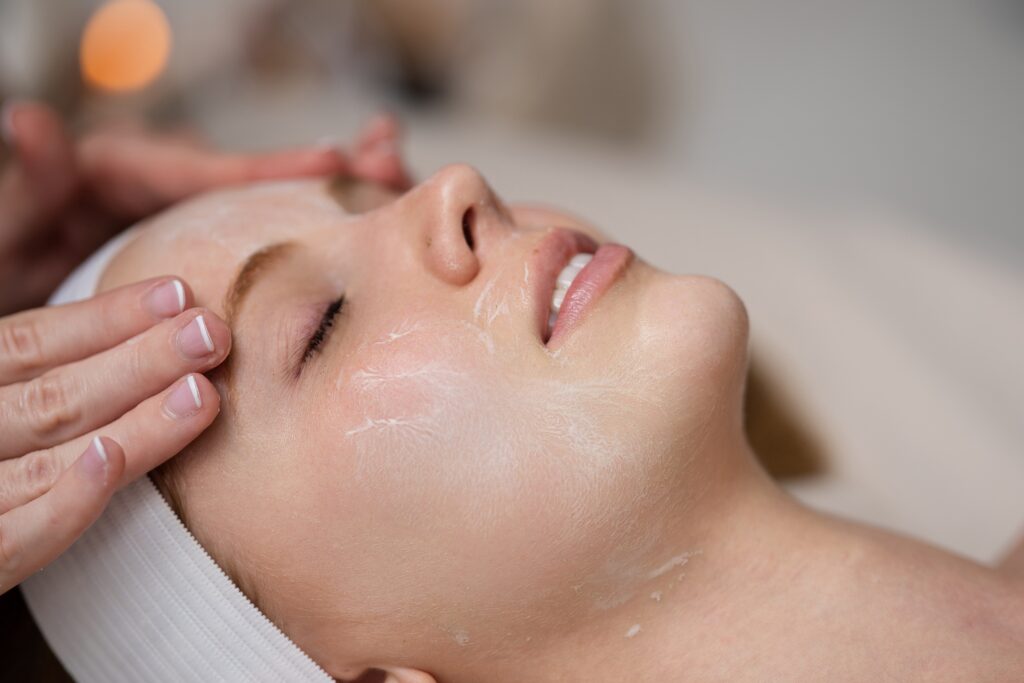
Many people assume facials are too stimulating for compromised skin.
In reality, properly selected treatments can be incredibly supportive.
Barrier-focused facials often include:
- Deep hydration
- Calming masks
- Barrier-support ingredients
- Soothing massage techniques
- Professional-grade moisturization
The emphasis remains on comfort and restoration.
Unlike intensive resurfacing treatments, these services focus on helping the skin recover naturally while reducing irritation.
Professional care can also help determine when the skin is ready to gradually reintroduce active ingredients again.
Common Recovery Mistakes That Slow Healing
When skin starts feeling better, it can be tempting to jump back into an aggressive skincare routine. Unfortunately, this is one of the most common reasons recovery takes longer than necessary.
Some of the biggest mistakes include:
- Reintroducing retinol or exfoliants too quickly
- Trying multiple new products at once
- Over-cleansing in an attempt to remove dryness or flaking
- Using harsh scrubs to “speed up” healing
- Ignoring sunscreen while the skin is still vulnerable
A damaged skin barrier heals best when it is given consistency, hydration, and time. The more predictable your routine becomes, the easier it is for your skin to recover.
How to Maintain a Strong Skin Barrier Long-Term
Once your barrier has recovered, the goal shifts from repair to prevention.
Many cases of recurring skin barrier damage happen because people return immediately to the habits that caused irritation in the first place.
Some long-term strategies include:
Avoid Over-Exfoliation
Exfoliation can be helpful, but more is not always better. Follow professional guidance and avoid excessive use.
Keep Your Routine Simple
A consistent routine often outperforms a complicated one.
Adjust for Seasonal Changes
Florida’s climate can influence hydration needs. During hotter months, lightweight hydration may be sufficient. During cooler or drier periods, richer moisture support may be beneficial.
Watch for Early Warning Signs
Tightness, sensitivity, increased redness, or discomfort often appear before major irritation develops.
Making small adjustments early can help prevent future barrier disruption.
Stay Consistent
Consistency remains one of the most important factors in maintaining healthy skin.
A gentle daily skincare routine that supports hydration and protection is often the best long-term strategy.
What Steps Should You Take Now to Fix Your Damaged Skin Barrier?
Recovering from a damaged skin barrier is less about finding a miracle product and more about giving your skin the environment it needs to heal.
Simplifying your routine, focusing on hydration, avoiding irritation, and staying consistent can help restore moisture balance and strengthen your skin over time.
While recovery requires patience, the payoff is healthier, calmer, more resilient skin.
Ready to Get Your Skin Back on Track? If you’re struggling with a damaged skin barrier, we would love to help. Contact us here at Glowing Results Skin Spa and let our team help create a personalized recovery plan that supports your skin’s needs and long-term health.
FAQs
Q: How long does it take to repair a damaged skin barrier?
A: Recovery can take anywhere from a few weeks to several weeks depending on the severity of the damage, your consistency, and the products being used.
Q: What should I avoid when my skin barrier is damaged?
A: Avoid harsh exfoliants, strong acids, retinoids, over-cleansing, and fragranced products while your skin is healing.
Q: Can I still use skincare products during recovery?
A: Yes. Focus on gentle cleansers, hydrating moisturizers, sunscreen, and barrier-support ingredients.
Q: Can professional facials help a damaged skin barrier?
A: Yes. Gentle, customized facials designed for hydration and skin recovery can support barrier repair when selected appropriately.