

If your skin feels rough, flaky, dull, exfoliation may be the missing step in your skincare routine.
But here’s the catch: more exfoliation does not always mean better skin.
When used correctly, skin exfoliation can reveal smoother, brighter-looking skin while allowing skincare products to absorb more evenly.
But when exfoliation is done too often, too aggressively, or with the wrong products for your skin type, it can lead to irritation, dryness, redness, and even skin barrier damage.
This guide explains the benefits of exfoliation, how to recognize when you’re overdoing it, and how to keep your skin healthy, balanced, and radiant without pushing it too far.
Why Skin Exfoliation Matters for Healthy Looking Skin
Your skin naturally sheds dead skin cells. This process is part of healthy skin renewal. However, dead skin cells can sometimes build up on the surface, especially if your skin is dry, congested, aging, or exposed to environmental stressors.
When that buildup sits on the skin, your complexion may start to look:
- Dull
- Rough
- Flaky
- Uneven
- Congested
- Less radiant than usual
That is where exfoliation can help.
Exfoliation supports the removal of dead surface cells so newer, fresher-looking skin can come forward. According to the American Academy of Dermatology’s guide to safe exfoliation, exfoliation removes dead skin cells from the outer layer of the skin, but it should be done carefully because improper exfoliation can cause irritation or damage.
When used appropriately, exfoliation may help:
- Improve the look and feel of skin texture
- Reduce the appearance of dullness
- Support a smoother makeup application
- Help moisturizers and serums spread more evenly
- Keep pores from looking congested
- Encourage a brighter-looking complexion
Professional exfoliating treatments, including certain skin peels, have also been used to improve concerns like texture, tone, acne scarring, and photoaging, as discussed in this review on exfoliative skin-peeling.
The key word is support. Exfoliation is meant to help your skin’s natural renewal process, not aggressively strip away layers of skin.
Healthy exfoliation should feel like a gentle reset. It should not leave your skin burning, raw, shiny, tight, or painful.
Signs You May Be Over Exfoliating Your Skin
One of the most common exfoliation mistakes is assuming irritation means a product is “working.”
A mild tingling sensation can be normal with some chemical exfoliants, but burning, redness, or peeling are signs your skin may be damaged.
Common signs of over exfoliation include:
- Redness that does not calm down quickly
- Dryness or flaking
- A tight or shiny feeling
- Burning or stinging when applying products
- Increased skin sensitivity
- Breakouts that appear after using too many active ingredients
- Rough patches that do not improve
- Skin that feels uncomfortable after cleansing
- Makeup that suddenly sits unevenly on the skin
Over exfoliation can leave your skin feeling uncomfortable rather than refreshed. Instead of looking smooth and glowing, your skin may look inflamed, irritated, or more textured than before.
This is especially common when someone combines too many exfoliating products at once, such as:
- A scrub
- An exfoliating toner
- Retinol
- Acne treatments
- Exfoliating masks
- Strong acids
Even if each product is useful on its own, using too many active products together can overwhelm the skin.
If your skin feels irritated, compromised, or unusually sensitive, it may be time to pause exfoliation and focus on calming, hydrating, and repairing your skin.
Finding the Right Balance With Exfoliation

There’s no one-size-fits-all exfoliation routine.
The right frequency depends on your skin type, your skin goals, the strength of the product, and how your skin responds. Some people may tolerate exfoliation a few times per week. Others may only need it once weekly or even less often.
The Skin Health Foundation’s overview of regular exfoliation notes that exfoliation can support smoother texture and product absorption, while also emphasizing that over-exfoliation may lead to irritation and a compromised skin barrier.
A good rule of thumb is to start slowly.
Instead of jumping into daily exfoliation, begin with baby steps:
- Start with one exfoliating product
- Use it once a week at first
- Watch how your skin responds
- Avoid adding multiple new products at the same time
- Increase slowly only if your skin stays calm
- Stop or reduce use if redness, burning, or flaking appears
Sensitive skin often needs a gentler approach than oily or more resilient skin. Dry skin may also become irritated more easily if exfoliation is too frequent or too strong.
The goal is not to exfoliate as much as possible. The goal is to exfoliate just enough to support smoother, healthier-looking skin without disrupting balance.
Consistency usually creates better results than intensity. A gentle, steady skincare routine will almost always serve your skin better than aggressive exfoliation followed by days of irritation.
How Over Exfoliation Can Affect Your Skin Barrier
Your skin barrier plays an essential role in keeping your skin healthy.
Think of it as your skin’s protective shield. It helps retain moisture while defending against external irritants like weather changes, pollution, harsh products, and environmental stressors.
When your skin barrier is strong, your skin is better able to stay:
- Hydrated
- Calm
- Comfortable
- Balanced
- Less reactive
When your skin barrier is weakened, the opposite can happen. Skin may become dry, red, itchy, sensitive, or easily irritated.
Excessive exfoliation can disrupt this protective function. When too many surface cells are removed too quickly, your skin may have a harder time holding onto moisture and protecting itself from outside stressors. This can contribute to skin barrier damage.
Signs of possible barrier damage include:
- Stinging when applying products
- Persistent dryness
- Redness
- Flaking
- Burning
- Increased breakouts
- Skin that feels tight but oily
- Products that used to work suddenly feeling irritating
If you suspect your skin barrier is damaged, the best next step is usually to pause exfoliation and simplify your routine. Focus on a gentle cleanser, moisturizer, sunscreen, and calming ingredients until your skin feels more stable.
Wondering if a damaged skin barrier might be behind some of your skin concerns? Read our guide on how to fix a damaged skin barrier to learn how to spot the signs and support skin barrier repair.
Barrier repair takes patience. This is not the time to add more acids, scrubs, or harsh treatments. Your skin needs time, hydration, and consistency.
Physical vs. Chemical Exfoliation: What’s the Difference?
Once your skin barrier is healthy, choosing the right type of exfoliation becomes the next step.
There are two main categories of exfoliating skincare products: physical exfoliants and chemical exfoliants.
Physical Exfoliation
Physical exfoliation uses texture or tools to manually remove dead skin cells from the surface.
Examples include:
- Scrubs
- Exfoliating brushes
- Washcloths
- Sponges
- Microdermabrasion-style treatments
Physical exfoliants can be helpful for some skin types, but they can also be too harsh if the particles are rough or if too much pressure is used.
If you use a physical exfoliant, avoid scrubbing aggressively. Gentle pressure is enough. Your skin should not feel raw afterward.
Chemical Exfoliation
Chemical exfoliation uses ingredients that help loosen and dissolve the bonds between dead skin cells.
Common chemical exfoliants include:
- AHAs, such as glycolic acid or lactic acid
- BHAs, such as salicylic acid
- PHAs, which are often gentler for sensitive skin
- Enzymes, which can provide mild exfoliation
Chemical exfoliants can improve dullness, uneven texture, clogged pores, and breakouts but they still need to be used carefully.
The AAD explains that mechanical and chemical exfoliation work differently, and the best option depends on your skin type and sensitivity . They also recommend moisturizing after exfoliation and being careful not to over-exfoliate, especially if your skin becomes red or irritated.
The strongest product is not always the best product. Choosing the right method for your skin is far more important than choosing the most intense exfoliant.
If your skin is sensitive, dry, acne-prone, or reactive, a gentler chemical exfoliant or professional recommendation may be a better starting point than a gritty scrub or strong acid.
When Professional Guidance May Be Helpful
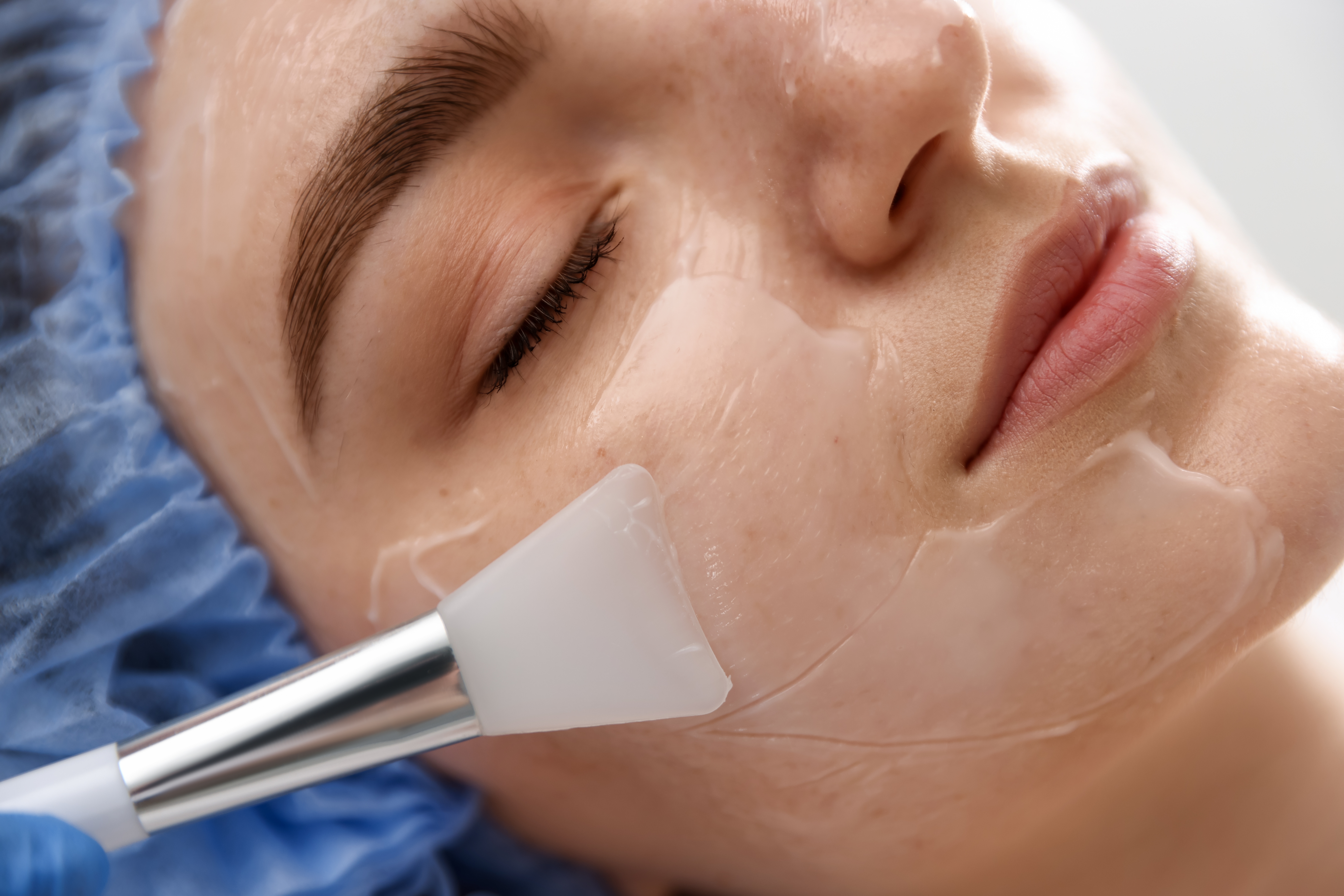
Exfoliation can be confusing because so many products promise smoother, brighter skin.
A skincare professional can help you determine:
- Whether exfoliation is appropriate for your skin
- Which type of exfoliation fits your skin type
- How often you should exfoliate
- Whether your skin barrier needs repair first
- Which products may be too strong for your current routine
- Whether professional treatments would support your goals
Professional guidance can be especially helpful if you are dealing with:
- Skin sensitivity
- Acne-prone skin
- Dark spots or uneven tone
- Rosacea-prone redness
- Dryness and flaking
- A damaged skin barrier
- Confusion about active ingredients
- Irritation from too many products
At Glowing Results Skin Spa, personalized skincare recommendations can help reduce the trial and error that often comes with exfoliating products. Instead of guessing, you can build a routine that fits your skin’s actual needs.
If you are also trying to simplify the rest of your skincare routine, explore our guide to daily skincare routines for oily, dry, and sensitive skin.
Healthy, glowing skin is usually about balance. It is not about using more products, stronger products, or the newest trending exfoliant. Often, the best results come from doing the right things consistently and giving your skin enough time to respond.
Need Help With the Perfect Amount of Exfoliation?
Skin exfoliation can be a valuable part of a healthy skincare routine when it is used thoughtfully.
It may help improve texture, brighten the look of dull skin, support smoother product application, and encourage a more radiant complexion.
But exfoliation is easy to overdo.
Too much exfoliation, the wrong product, or an aggressive approach can lead to redness, dryness, irritation, skin sensitivity, and skin barrier damage. That is why baby steps matter.
Start slowly. Listen to your skin. Choose products based on your skin type, not trends. If your skin feels uncomfortable, take a step back and focus on repair before adding more active ingredients.
Not sure which exfoliation routine is right for your skin? Our team here at Glowing Results Skin Spa can help you dial in your exact exfoliation routine by showing you in person. Contact us today, and let’s plan a visit.
FAQs
Q: How often should I exfoliate my skin?
A: The ideal frequency depends on your skin type, sensitivity level, and the type of exfoliating product being used. Many people do best starting once a week and increasing slowly only if their skin tolerates it well.
Q: What are the signs of over-exfoliation?
A: Common signs include redness, dryness, irritation, flaking, tightness, burning, and increased skin sensitivity. Your skin may also feel uncomfortable when applying products that normally do not bother you.
Q: Can exfoliation damage the skin barrier?
A:Yes. Excessive exfoliation may contribute to skin barrier damage because it can disrupt the skin’s natural protective function. When this happens, skin may become dry, reactive, irritated, or more difficult to keep hydrated.
Q: Is chemical exfoliation better than physical exfoliation?
A: Not necessarily. The best option depends on your skin type, goals, and how your skin responds. Some people do well with gentle chemical exfoliation, while others may prefer mild physical exfoliation. Sensitive skin often benefits from a cautious, personalized approach.
Q: Not sure if your current skincare routine is helping or hurting your skin?
A: Contact Glowing Results Skin Spa today for personalized skincare recommendations designed to support a healthy, radiant complexion. We’d love to help!