

More and more skincare professionals agree on one thing: the people who consistently wear sunscreen often maintain smoother, healthier-looking skin longer than those who don’t– even before adding expensive anti-aging products into their routines.
That’s because daily sun exposure is one of the biggest causes of wrinkles, discoloration, uneven texture, and premature skin aging. While many people focus on serums and treatments, sunscreen is often the step that makes the biggest long-term difference.
In sunny climates like Florida, protecting your skin daily matters even more. This guide explains how sunscreen for aging skin works, why SPF is essential every day, and how the right formula can help support more radiant skin over time.
To understand why sunscreen is so important, it helps to first look at how sun exposure affects the skin over time.
Why Sun Exposure Causes Premature Skin Aging
The sun emits ultraviolet (UV) radiation that gradually breaks down collagen and elastin– the proteins responsible for keeping skin firm, smooth, and resilient.
Over time, repeated exposure contributes to:
- Fine lines and wrinkles
- Uneven skin tone
- Dark spots and discoloration
- Loss of firmness
- Rougher texture
This process is often called photoaging, or premature aging caused by UV exposure.
Research published in dermatology literature confirms that cumulative UV exposure plays a major role in visible aging and collagen degradation, as discussed in this peer-reviewed review on anti-aging and sunscreen use.
One of the most important things to understand is that this damage builds slowly. You don’t need to get a sunburn to experience premature aging. Small amounts of daily exposure– over many years– can have a significant effect on the skin.
Because of this gradual buildup, daily protection becomes essential—not optional.
Why SPF Daily Use Should Be Part of Every Skincare Routine
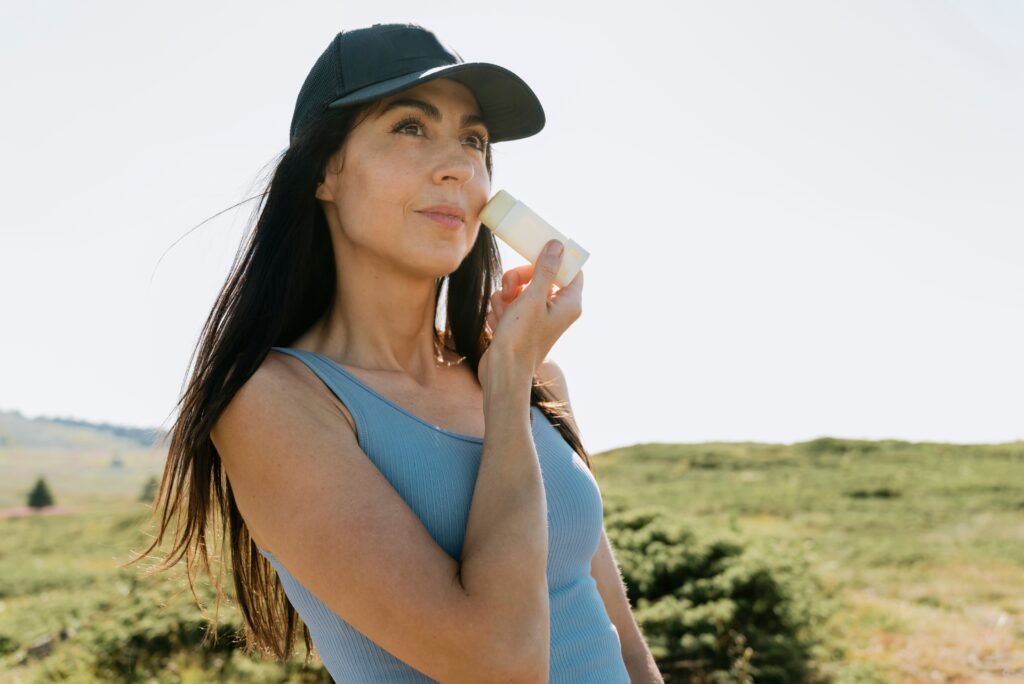
A common misconception is that sunscreen is onlyneeded at the beach or during outdoor activities.
In reality, SPF daily use matters because UV exposure happens during everyday activities like:
- Driving
- Walking outside
- Sitting near windows
- Running errands
- Exercising outside
Even cloudy days allow UV rays to penetrate the skin.
Consistent sunscreen use helps:
- Minimize cumulative UV damage
- Reduce redness and irritation
- Protect collagen and elastin
- Prevent uneven pigmentation
Sunscreen works best when combined with moisturizers and antioxidants as part of a complete skincare routine.
Experts from the University of Florida emphasize that daily sun protection is essential even during short periods of outdoor exposure, as explained in these sun safety recommendations from UF dermatologists.
Understanding the Difference Between UVA and UVB Protection
UVA and UVB rays affect the skin in different ways.
UVA Rays
- Penetrate deeper into the skin
- Primarily responsible for premature aging
- Contribute to collagen breakdown and wrinkles
UVB Rays
- Affect the skin’s surface
- Cause sunburn and immediate skin damage
Because both types of rays are harmful, choosing a broad spectrum sunscreen is extremely important. Broad spectrum formulas protect against both UVA and UVB exposure, helping reduce long-term aging as well as short-term burning.
This type of UVA and UVB protection is considered one of the most effective ways to preserve healthier-looking skin over time.
Choosing a Sunscreen That Works for Everyday Wear
One of the biggest reasons people skip sunscreen is because they dislike how it feels.
The good news is that modern formulas are much easier to wear daily. Lightweight, non-greasy sunscreens are specifically designed to layer comfortably under skincare and makeup.
For best results:
- Apply sunscreen every morning
- Use about two finger-lengths for the face and neck
- Reapply every two hours during prolonged exposure
- Choose a formula designed for your skin type
Many products today work beautifully as sunscreen under makeup, helping protect the skin without feeling heavy or greasy.
If you want a deeper breakdown of SPF options specifically for Florida’s climate, explore our guide to The Best Sunscreen for Florida: How to Protect Your Skin in the Sunshine State.
To make choosing easier, it helps to understand the two main types of sunscreen available.
Chemical vs Mineral Sunscreen: Which One Should You Use?
When shopping for sunscreen, you’ll often see two categories:
- Chemical Sunscreen
- Mineral Sunscreen
Both can be effective forms of UV protection when labeled broad spectrum.
Chemical Sunscreen
Chemical formulas absorb UV rays and convert them into heat before UV damage reaches deeper layers of the skin.
Benefits often include:
- Lightweight textures
- Easy layering under makeup
- Invisible finish on the skin
Mineral Sunscreen
Mineral sunscreens use ingredients like zinc oxide or titanium dioxide to reflect and scatter UV rays.
Benefits may include:
- Gentle formulas for sensitive skin
- Immediate protection after application
- Reduced irritation for reactive skin types
When comparing chemical vs mineral sunscreen, consistency matters more than perfection. The best sunscreen is the one you’ll actually wear every day.
Research continues to support sunscreen as one of the most effective tools in preventing photoaging and maintaining healthier skin long-term, as highlighted in this clinical review on sunscreen and aging prevention.
What About Anti-Aging Sunscreen?
Many modern SPF formulas also include additional skincare benefits.
An anti-aging sunscreen may contain:
- Antioxidants
- Hydrating ingredients
- Barrier-supporting ingredients
- Brightening compounds
Hydrating SPF formulas can be especially helpful for mature or dry skin because they support smoother-looking texture while protecting against UV exposure.
No matter which formula you choose, dermatologists generally recommend:
- SPF 30 or higher
- Broad spectrum protection
- Daily application
Consistency matters more than finding a “perfect” sunscreen.
And if you’re unsure which SPF is best for your skin type or concerns, a skincare professional at Glowing Results Skin Spa can help guide you toward a formula that fits your routine comfortably.
Why Daily Sunscreen Matters More Than Most People Realize
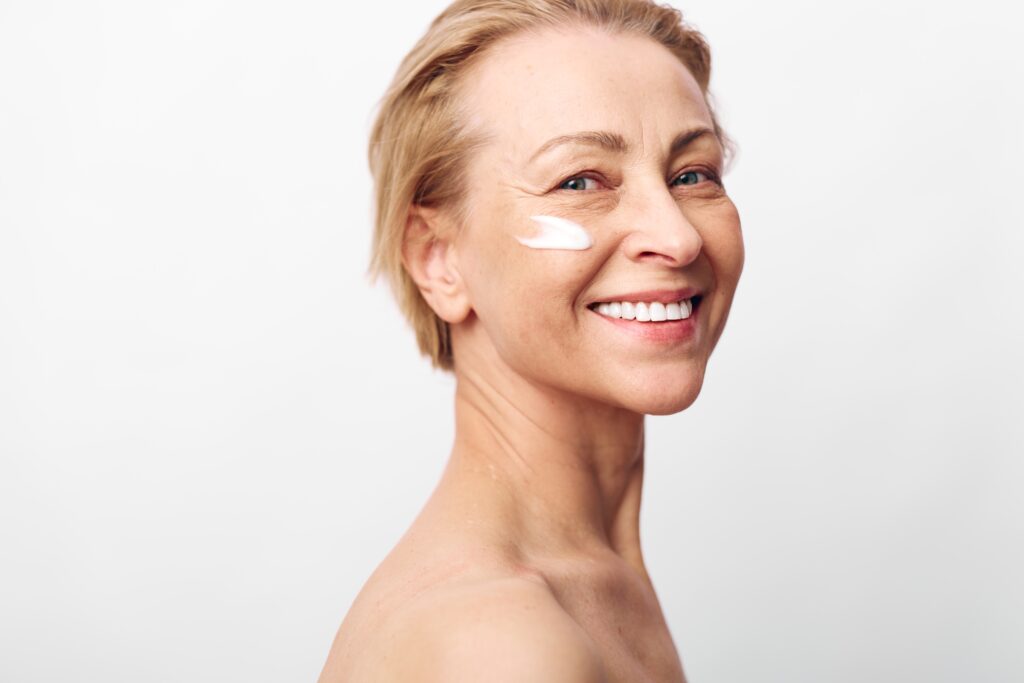
Many visible signs of aging develop gradually over years of exposure.
Without sunscreen, UV rays continue to:
- Break down collagen
- Trigger pigmentation
- Increase uneven texture
- Accelerate visible aging
Even expensive skincare products can struggle to produce results if the skin remains unprotected daily.
This is why sunscreen is often considered the foundation of anti-aging skincare rather than just an optional extra step.
The Mayo Clinic also emphasizes the importance of consistent sun protection in maintaining healthy skin and minimizing premature aging, as explained in Mayo Clinic’s guide to selecting sunscreen.
Once sunscreen becomes a daily habit, it often becomes the most effective and simple step in any long-term skincare routine.
Ready to Prevent Premature Skin Aging?
When it comes to maintaining healthier-looking skin, sunscreen is one of the most powerful tools available. Daily SPF use helps protect collagen, minimize discoloration, reduce premature wrinkles, and support long-term skin health.
Whether you choose a mineral or chemical formula, the most important thing is consistency. Small daily habits make a major difference over time– especially in Florida’s intense sun.
Ready to Support Healthier, More Youthful-Looking Skin?
Now you know that healthy, resilient skin starts with daily sunscreen use. If you’re looking for a personalized skincare routine and treatments that further support your skin concerns, schedule your appointment with Glowing Results Skin Spa today.
FAQs
Q: Does sunscreen help prevent wrinkles?
A: Yes. Sunscreen helps protect collagen and elastin from UV damage, reducing premature wrinkles and fine lines over time.
Q: What SPF should I wear every day?
A: Most dermatologists recommend broad spectrum SPF 30 or higher for daily use.
Q: Is mineral sunscreen better for sensitive skin?
A: Mineral sunscreen is often preferred for sensitive skin because zinc oxide and titanium dioxide tend to be gentler.
Q: Can sunscreen be worn under makeup?
A: Yes. Many lightweight sunscreen formulas are specifically designed to layer comfortably under makeup.