

Are dark spots, sun damage, or post-acne marks refusing to fade no matter what products you try? If so, you’re not alone. Hyperpigmentation is one of the most common– and frustrating– skin concerns people experience.
Whether it’s sun spots, melasma, or acne discoloration, uneven tone can make skin appear dull and tired.
The good news is that with the right daily skincare routine, hyperpigmentation can improve significantly over time. When you combine targeted ingredients with consistent habits and professional guidance, you can help fade stubborn dark spots and restore a more balanced complexion.
Understanding Hyperpigmentation: What Causes Dark Spots and Uneven Skin Tone?
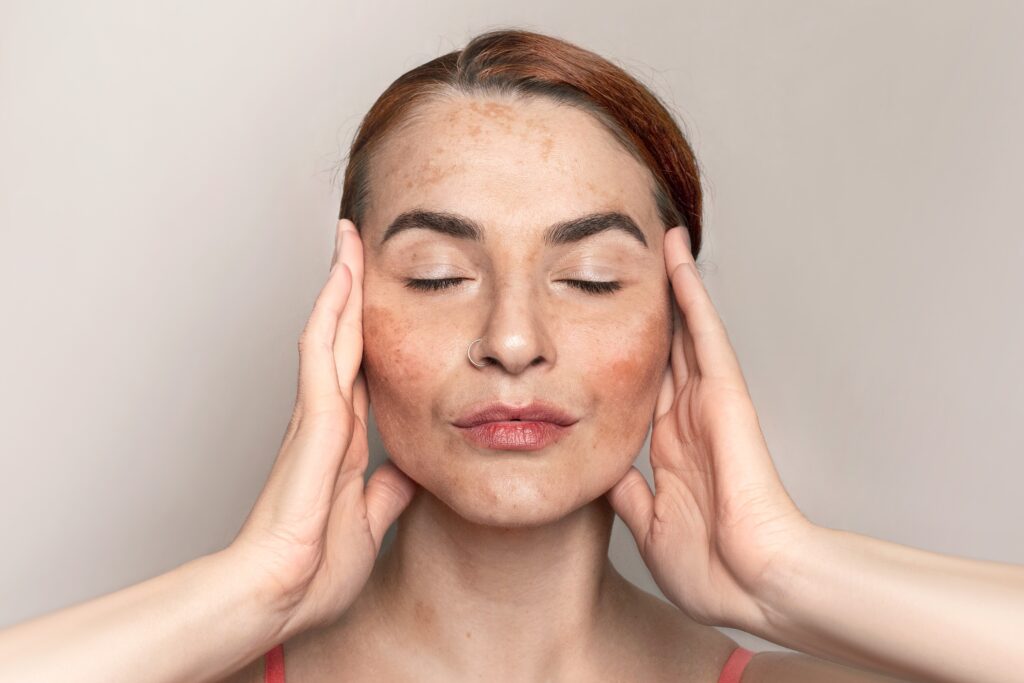
Hyperpigmentation occurs when the skin produces excess melanin, the pigment responsible for giving skin its color. When melanin production becomes uneven, darker patches or spots can appear on the surface of the skin. These areas may show up as sun spots, acne scars, or melasma.
Medical experts explain that hyperpigmentation can develop due to several factors including sun exposure, inflammation, hormonal changes, and irritation from skincare products. According to theCleveland Clinic’s overview of hyperpigmentation, these pigment changes can affect anyone and may become more noticeable over time without proper care.
Common types include:
- Sun spots: Caused by repeated UV exposure
- Post-inflammatory hyperpigmentation: Dark marks left after acne or skin irritation
- Melasma: Hormone-related pigmentation often triggered by sunlight
Understanding what causes uneven skin tone is the first step toward finding the right treatment approach.
Why Hyperpigmentation and Dark Spots Are So Difficult to Fade
Hyperpigmentation can be difficult to fade because pigment may sit in different layers of the skin. Surface-level discoloration may respond quickly to skincare products, while deeper pigmentation may take months to improve– or require professional treatments
Sun exposure is another major factor. Even brief UV exposure can trigger melanin production, which makes dark spots more noticeable and can reverse progress from treatments. Dermatology research emphasizes that protecting the skin barrier and limiting UV damage is essential for improving pigmentation concerns, as highlighted in this research review on skin pigmentation disorders.
Without consistent sunscreen use and targeted dark spot treatment, pigmentation may continue to develop or return.
The Best Daily Skincare Routine for Hyperpigmentation

If you want to fade dark spots and achieve a brighter complexion, your routine should focus on two goals: protection during the day and repair at night.
Morning Routine: Protect and Prevent
Your morning skincare routine should shield your skin from factors that worsen hyperpigmentation.
- Gentle cleanser – Removes oil, sweat, and impurities without irritating the skin. This is especially important for skincare for sensitive skin.
- Vitamin C serum – A powerful antioxidant that promotes skin brightening and protects against environmental damage.
- Moisturizer – Helps support the skin barrier and keeps the complexion balanced.
- Broad-spectrum SPF 30+ – The most important step in preventing further pigmentation.
Experts emphasize that sun protection is the single most effective way to prevent worsening discoloration, as discussed in this Harvard Health article on hyperpigmentation causes and treatments.
Evening Routine: Treat and Repair
Nighttime skincare focuses on repairing damage and encouraging skin renewal.
- Cleanse thoroughly to remove sunscreen and impurities.
- Apply a targeted dark spot treatment such as retinol, niacinamide, or alpha arbutin.
- Finish with a hydrating moisturizer to support overnight repair.
Following a consistent daily skincare routine helps gradually fade pigmentation and improve skin clarity.
Certain skincare ingredients are especially effective at targeting discoloration and helping fade dark spots over time.
Key Ingredients That Actually Fade Dark Spots
If you’re looking for the best products for hyperpigmentation, certain ingredients consistently deliver results.
Vitamin C
This antioxidant brightens the complexion and protects the skin from oxidative stress, making it an essential ingredient for skin brightening treatments.
Retinol
Retinol increases cell turnover, helping the skin shed pigmented cells and reveal a fresher surface underneath.
Niacinamide
Niacinamide calms inflammation and helps even out skin tone while strengthening the skin barrier.
Kojic Acid
This ingredient helps reduce melanin production, making it useful for stubborn dark spots.
Alpha Arbutin
Alpha arbutin is a gentle brightening agent that targets uneven pigmentation without irritating sensitive skin.
If you’re unsure where to start, exploring professional options can help guide your choices. Learn more about personalized skincare plans and treatments on the Glowing Results Skin Spa services page.
When At-Home Skincare Isn’t Always Enough for Hyperpigmentation
While daily skincare plays a huge role in improving discoloration, some hyperpigmentation sits deeper in the skin and may not respond fully to over-the-counter products.
In these cases, professional hyperpigmentation treatments can help accelerate results. Basic brightening creams may slightly improve tone, but stubborn dark spots often respond better to treatments like professional chemical peels or stronger retinol therapies.
Improper product layering or overly aggressive treatments can sometimes worsen uneven skin tone, which is why professional guidance is often beneficial.
Why Professional Treatment Speeds Up Results
Professional skincare treatments are designed to work deeper and more precisely than at-home products. Estheticians use controlled exfoliation techniques to remove pigmented skin cells and stimulate healthy renewal.
Treatments may include:
- Chemical peels for pigmentation
- Advanced exfoliation techniques
- Brightening facials designed for uneven skin tone
These procedures can significantly speed up dark spot treatment results while keeping ensuring sensitive skin remains protected.
How to Best Maintain Long-Term Results
Once pigmentation begins to fade, maintaining results requires ongoing care.
Key habits include:
- Staying consistent with your daily skincare routine
- Wearing SPF every day
- Avoiding picking or squeezing acne lesions
- Scheduling occasional professional treatments
Consistency is one of the most important factors in achieving even skin tone. Over time, maintaining healthy habits helps prevent new dark spots from forming while keeping your complexion balanced.
Goodbye, Hyperpigmentation
Hyperpigmentation can feel frustrating, but it’s far from permanent. With the right routine, targeted ingredients, and professional guidance, dark spots and uneven skin tone can invade over time.
By focusing on protection, repair, and consistency, you can gradually restore brighter, healthier-looking skin.
Hyperpigmentation doesn’t have to hold you back. With the right routine and expert guidance, improving your skin is possible. Book your personalized consultation with our team here at Glowing Results Skin Spa today and get the glowing skin you deserve.
FAQs
Q: What causes hyperpigmentation?
A: Hyperpigmentation occurs when excess melanin forms dark patches due to sun exposure, acne, hormones, or inflammation.
Q: Can a daily skincare routine really fade dark spots?
Yes. With consistent use of targeted ingredients such as vitamin C and retinol, dark spots can gradually fade.
Q: How long does it take to fade hyperpigmentation?
A: Mild discoloration may improve in 4–8 weeks, while deeper pigmentation may take several months or require professional treatments.
Q: Are professional hyperpigmentation treatments safe for sensitive skin?
A: Yes, when customized by a trained skincare professional who selects the correct ingredients and treatment intensity for your skin.