
You’ve probably heard about microneedling and nano infusion—but how do you know which treatment is actually right for your skin?
The names sound similar, and both are often described as professional treatments for achieving smoother, fresher-looking skin. But they do not work in exactly the same way.
One focuses primarily on very superficial product delivery and refreshing the skin’s appearance, while the other uses actual needles to create controlled micro-injuries that activate a deeper healing response.
Understanding that distinction can make choosing between the two much less confusing.
In this guide, we’ll break down nano infusion and microneedling in straightforward terms, explain what each treatment is designed to do, and help you think through which option may better fit your comfort level, skin concerns, and long-term goals.
Nano Infusion vs. Microneedling: What’s the Difference?
Nano infusion and microneedling may share some broad goals—such as improving the appearance of skin texture and supporting skin rejuvenation—but they interact with the skin in very different ways.
Nano infusion is a superficial treatment. A nano device uses a specialized tip with extremely small cone-like structures rather than traditional microneedling needles. The treatment temporarily disrupts the outermost skin barrier at a very shallow level, allowing selected skincare ingredients to reach the upper layers of the skin more effectively.
Microneedling goes deeper.
A microneedling treatment uses fine, sterile needles to create controlled microscopic punctures in the skin. These micro-injuries intentionally activate the body’s wound-healing response, which is why microneedling is associated with collagen remodeling and is often considered for concerns involving scars, texture, and visible signs of aging.
Published reviews of microneedling in dermatology describe its use for concerns including scars, wrinkles, photodamage, pigmentation, and skin rejuvenation.
A simple way to think about the difference is:
Nano infusion:
- Very superficial
- Focuses heavily on product infusion
- Does not use traditional needles to penetrate into the dermis
- Generally involves little downtime
- Often selected for hydration, brightness, and a refreshed appearance
Microneedling:
- Uses actual needles
- Creates controlled micro-injuries
- Activates a wound-healing response
- Supports collagen production
- May involve more redness and recovery
- Often chosen for texture, wrinkles, or certain scars
Neither treatment is automatically better.
The better question is: What are you hoping to improve?
How Nano Infusion Works
A nano infusion facial is designed to be gentle while still giving the skin a more intensive experience than simply applying a serum at home.
During the treatment, an esthetician first evaluates and cleanses your skin. Depending on the service and your skin’s needs, gentle preparation or exfoliation may also be included.
A nano infusion pen is then moved carefully across the treatment area. The device uses an ultra-fine nano tip that works at the surface of the skin rather than creating deeper needle punctures.
According to this professional overview of how nano infusion works, the treatment creates temporary, superficial channels within the outermost layers of the skin while helping selected serums reach those layers more effectively.
This may make nano infusion appealing if your goals include:
- A brighter-looking complexion
- Improved hydration
- Smoother-feeling skin
- A refreshed appearance
- Mild textural concerns
- Improved delivery of professionally selected serums
- A low-downtime treatment experience
One of the biggest differences between nano infusion and microneedling treatment is depth.
Nano infusion does not rely on dermal injury to generate its effects. That means it should not be described as a substitute for true collagen-induction microneedling when deeper remodeling is the goal.
Instead, think of nano infusion as a surface-focused skin rejuvenation option.
For someone preparing for an event, wanting a refreshed complexion, or simply preferring a gentler professional treatment, that difference may actually be an advantage.
Your esthetician can also select the serum based on what your skin needs that day rather than using the same formula for everyone. Hydration, dullness, and overall skin comfort may all influence how the treatment is customized.
What Makes Microneedling Different?
Microneedling takes a different approach because the treatment intentionally creates controlled micro-injuries in the skin.
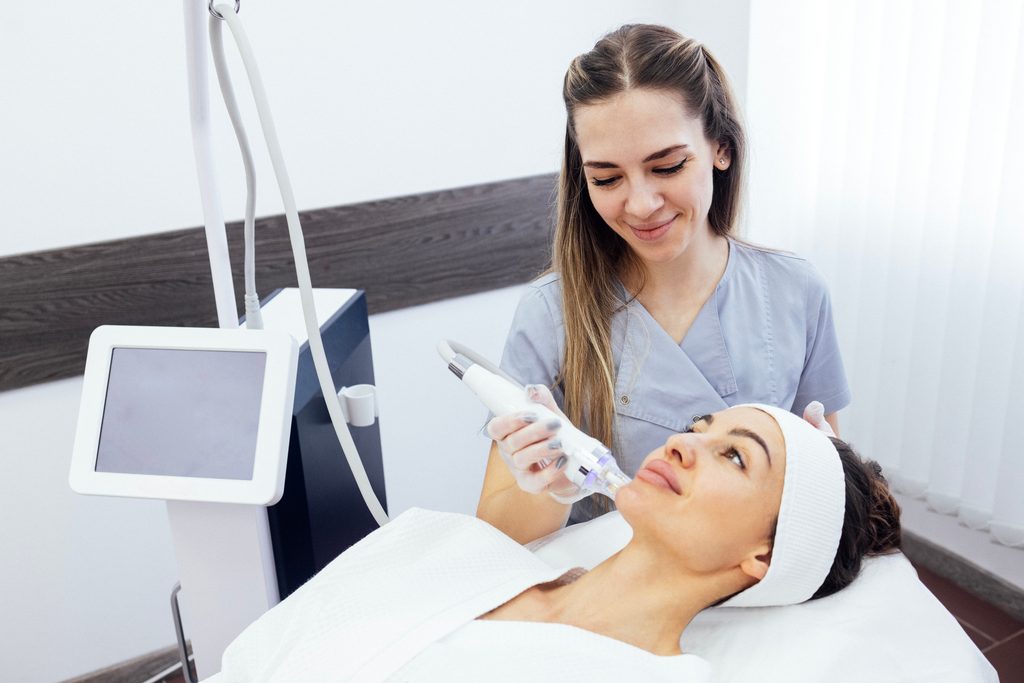
A professional microneedling device contains fine needles that move into the skin at a controlled depth. Those tiny punctures activate the body’s natural wound-healing process.
As the skin responds, cellular repair processes are activated, including mechanisms associated with new collagen formation and tissue remodeling.
That is why microneedling is also sometimes referred to as collagen induction therapy.
A practical review of microneedling techniques and clinical use describes controlled dermal wounding and activation of the wound-healing cascade as important to the treatment’s effects.
Microneedling may be considered when someone is primarily concerned about:
- Fine lines and wrinkles
- Uneven skin texture
- Certain acne scars
- Visible signs of aging
- Photodamage
- Loss of firmness
- Overall skin rejuvenation
The important distinction is that microneedling is not an instant collagen replacement.
Instead, it encourages the skin to carry out its own repair processes. Because biological remodeling takes time, results generally develop gradually rather than appearing completely after one appointment.
For clients focused on collagen production, this gradual process is part of the treatment strategy.
It also means microneedling typically requires more aftercare than nano infusion.
Redness, sensitivity, mild swelling, or a sunburn-like appearance can occur temporarily after treatment. Your provider should explain what is normal, which products to avoid, how to cleanse and moisturize afterward, and when to resume your usual active ingredients.
Treatment depth and frequency should also be determined by a qualified professional. Deeper or more aggressive does not automatically mean better.
Skin type, treatment history, current barrier health, pigmentation risk, medications, active skin conditions, and individual goals all matter when deciding whether microneedling is appropriate.
If you are interested in understanding why collagen changes as skin ages, our guide to the science of aging skin explains collagen, elasticity, and professional treatment options in more detail.
Which Treatment Fits Your Skin Goals?
Instead of asking which treatment is more popular, start by considering what you actually want to improve.
Your priorities can make the decision much clearer.
Nano infusion may appeal to you if you want:
- A gentle skin refresh
- Minimal interruption to your routine
- Better hydration
- A brighter-looking complexion
- Improved superficial smoothness
- Professionally selected serum infusion
- A treatment that feels closer to an advanced facial experience
Microneedling may be considered if you want to address:
- More noticeable texture concerns
- Fine lines and wrinkles
- Certain acne scars
- Collagen stimulation
- Visible signs of aging
- Gradual remodeling of the skin
There is also your comfort level to consider.
Some clients are completely comfortable with microneedling and are willing to accept temporary redness or sensitivity in exchange for a more intensive treatment strategy.
Others want professional skincare treatments without needles or meaningful downtime. Nano infusion may feel much more approachable to that person.
Neither choice means you are taking your skincare more or less seriously.
You are simply selecting a treatment that better matches your needs.
For more information about what professional facial care typically involves, take a look at our guide to the facial treatment process.
A consultation is especially useful if your concerns overlap. For example, you may want more hydration now while also being interested in collagen-focused treatments later. Professional guidance can help place each service within a larger plan instead of treating every appointment as an isolated decision.
What Should You Expect From Each Treatment?
The treatment experience is another major difference between nano infusion and microneedling.
Both typically begin with a professional assessment and skin preparation, but the treatment experience differs once the device is applied to the skin.
What Nano Infusion Generally Feels Like
Nano infusion is designed to be a more superficial and gentle experience.
Most clients can expect the device to move methodically across different areas of the face while an appropriate serum is used as part of the treatment.
Because the treatment remains very shallow, significant bleeding or a deeper wound response is not the goal.
Afterward, skin may appear:
- Fresh
- Hydrated
- Brighter
- Slightly pink in some clients
- Temporarily more sensitive
Post-treatment instructions still matter. Even when downtime is minimal, your skin has just received a professional treatment.
Your esthetician may recommend:
- Gentle cleansing
- Moisturizer
- Daily SPF
- Avoiding strong exfoliants temporarily
- Following individualized aftercare instructions
What Microneedling Generally Feels Like
Microneedling is more intensive because needles are intentionally inserted into the skin.
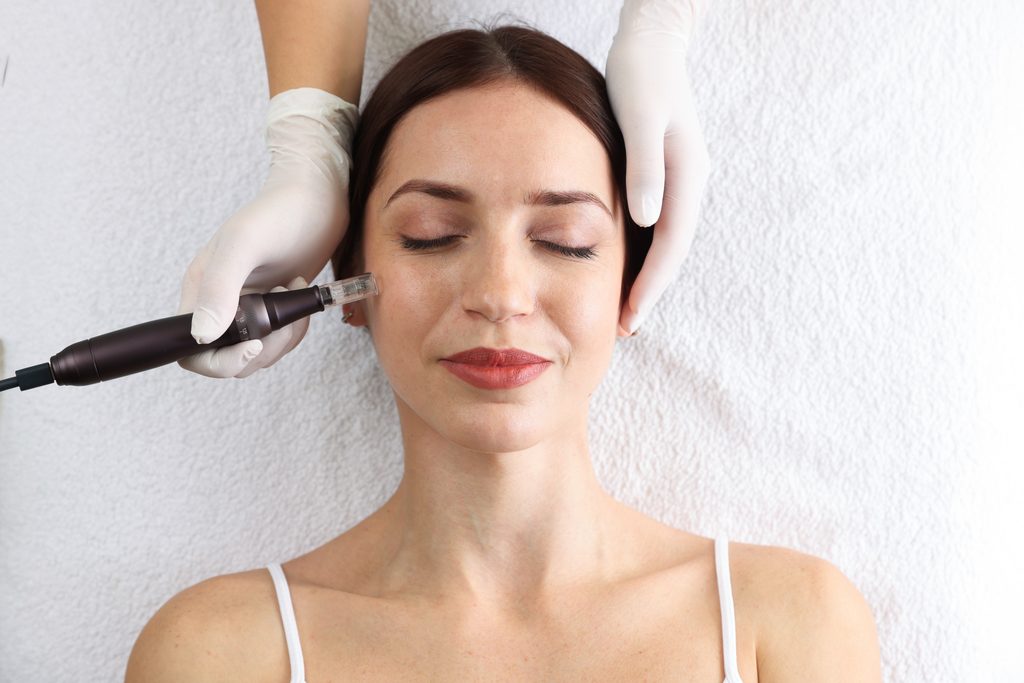
The exact experience varies depending on the device, needle depth, area being treated, and treatment plan. Your provider should explain the process beforehand and tell you what sensations and aftereffects to expect.
Temporary effects may include:
- Redness
- Mild swelling
- Sensitivity
- Tightness
- A warm or sunburn-like feeling
- Temporary dryness or flaking during recovery
Microneedling aftercare is especially important because the skin has undergone controlled injury.
This is not the time to immediately return to every exfoliant, retinoid, acid, or highly active serum in your bathroom.
Your provider should give you specific guidance on cleansing, hydration, sun protection, exercise, makeup, active ingredients, and when normal skincare can safely resume.
What About Downtime?
Nano infusion is generally positioned as a low-downtime service because it remains superficial.
Microneedling typically involves a more noticeable recovery period because its purpose is to create a controlled healing response.
However, individual responses vary.
Your experience can depend on:
- Skin sensitivity
- Treatment intensity
- Device settings
- Products used
- Previous treatments
- Current barrier condition
- Sun exposure
- Following aftercare correctly
This is one reason you should not copy treatment schedules directly from social media.
The right frequency is the frequency that allows your individual skin to recover and respond appropriately.
How to Decide Which One Is Right for You
If you are still unsure, that is completely normal.
Professional skincare terminology makes treatments sound much more similar than they sometimes are.
Try thinking through four questions.
1. What Is My Main Concern?
If your biggest concern is dehydration or dull-looking skin, you may not need a treatment primarily designed around collagen induction.
If your primary concerns are acne scars, deeper texture changes, or visible signs of aging, a superficial product-infusion service may not address everything you are hoping to improve.
Be specific about what bothers you.
2. What Results Am I Hoping For?
Do you want your skin to look refreshed before an event?
Are you building a long-term plan around fine lines and wrinkles?
Are you concerned about texture?
Do you simply want to give your skincare routine a professional boost?
Defining the desired result helps your esthetician choose a more appropriate approach.
3. How Much Recovery Am I Comfortable With?
Your lifestyle matters.
Someone who cannot accommodate noticeable redness may prefer treatments with little recovery time.
Another client may be comfortable planning microneedling around work, travel, or events because the treatment fits a larger skin goal.
There is no wrong answer.
4. What Condition Is My Skin in Right Now?
Your skin goals are only one part of the decision.
Your current skin condition matters just as much.
Active irritation, barrier damage, infections, inflammatory conditions, active breakouts, medications, or recent procedures may influence whether either treatment is appropriate at a particular time.
This is where a professional consultation becomes valuable.
An esthetician can evaluate your skin instead of relying on a one-size-fits-all treatment menu. That assessment may lead to nano infusion, microneedling, another facial treatment entirely, or even a recommendation to wait until your skin is in a better condition for treatment.
Good personalized skincare is not about selling the most intensive service.
It is about choosing the service that makes sense for your skin.
Can Nano Infusion and Microneedling Fit Into the Same Skincare Plan?
They potentially can, but that does not mean they should simply be stacked together or scheduled without a reason.
Because the treatments work differently, they may serve different roles within a longer professional skincare plan.
For example, a client’s priorities could change over time:
- Hydration and brightness may be the first goal.
- Barrier support may come next.
- Texture or scarring may become a later priority.
- Maintenance treatments may then support the results.
A personalized plan allows professional skincare treatments to be selected based on what your skin needs at each stage instead of repeating the same service indefinitely.
It also creates room to adjust.
Your skin may become more sensitive during certain times of the year. Your goals may change. You may begin using a new active ingredient at home. A previous concern may improve enough that another area becomes the priority.
Regular professional evaluation allows the plan to evolve with your skin.
That flexibility is often more valuable than deciding that you are permanently a “nano infusion person” or a “microneedling person.”
Your skin does not care about treatment loyalty.
It cares about receiving appropriate care.
Choosing Nano Infusion or Microneedling Starts With Your Skin
Nano infusion and microneedling may both support healthier-looking skin, but they are not interchangeable treatments.
Nano infusion works superficially and focuses largely on creating temporary channels in the outer skin to support product delivery and a refreshed, hydrated-looking complexion.
Microneedling uses needles to create controlled micro-injuries that activate the skin’s wound-healing response and support processes associated with collagen production.
That difference influences everything from the treatment experience to aftercare, downtime, and the skin concerns each service may be chosen to address.
Instead of choosing based on which treatment is trending, focus on your goals, comfort level, current skin condition, and the type of improvement you hope to achieve.
Find the professional skincare treatment that fits your goals.
If you’re considering nano infusion or microneedling, you do not have to make the decision based on treatment names alone.
Our team here at Glowing Results Skin Spa can be a resource as you explore your skincare options, understand what your complexion currently needs, and determine which approach may be the best fit for your goals. Let’s talk today.
FAQs
Q: Is nano infusion the same as microneedling?
A: No. Both treatments may be used as part of a skin rejuvenation plan, but they work differently. Nano infusion creates very superficial, temporary channels at the outer surface of the skin without using traditional microneedling needles to penetrate into the dermis. Microneedling uses actual needles to create controlled micro-injuries that activate a wound-healing response.
Q: Is nano infusion good for fine lines and wrinkles?
A: Nano infusion may help the skin look smoother, brighter, and more hydrated, which can soften the appearance of mild superficial lines. Microneedling is generally the more directly collagen-focused option when the goal involves deeper texture concerns, collagen production, or more noticeable signs of aging. A professional assessment can help determine which approach is appropriate.
Q: How do I know which treatment is right for my skin?
A: Start with your primary concern, desired result, comfort with downtime, and current skin condition. Someone looking for hydration and a gentle refresh may have different needs from someone focused on acne scars or collagen stimulation. A professional skincare consultation can help match the treatment to your individual goals.
Q: Can nano infusion and microneedling be part of a skincare plan?
A: Yes, they may both have roles within a professional skincare plan depending on your skin’s needs and goals. They do not necessarily need to be performed together, and treatment timing should be selected professionally so your skin has appropriate time to recover between services.