
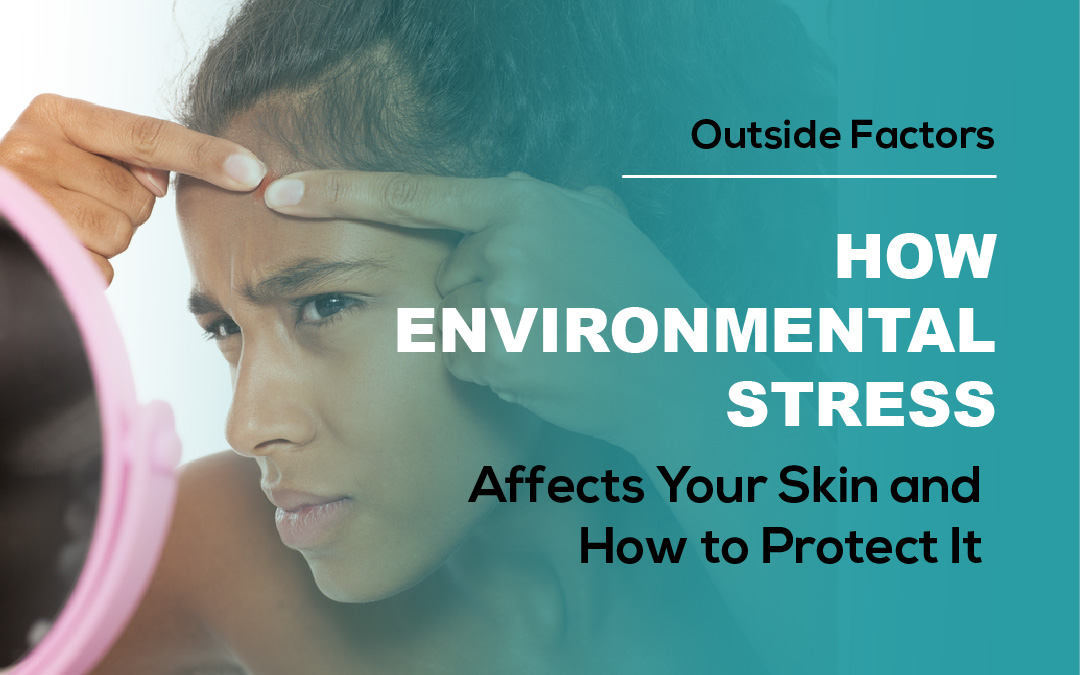
Your skin faces environmental stress every single day—even when you don’t notice it.
Sunlight during your morning drive, sweat during an afternoon walk, outdoor pollution, strong wind, and hours spent in air-conditioned spaces can all affect how your skin feels and functions. A single exposure may not cause any noticeable damage, but repeated exposure to UV rays, heat, humidity, pollutants, and other environmental stressors can gradually affect your skin over time.
For Florida residents, this daily exposure is especially important to consider. Year-round sunshine and warm weather are part of what makes our state so enjoyable, but they can also contribute to dehydration, irritation, uneven tone, and premature skin aging when the skin is not properly supported.
The good news is that environmental stress cannot take away your ability to care for your skin. A consistent daily skincare routine, reliable UV protection, and professional guidance can help strengthen your skin barrier and maintain a healthier-looking complexion over time.
What Is Environmental Stress and Why Does It Matter?
Environmental stress refers to the outside conditions and substances your skin encounters throughout the day.
Common environmental stressors include:
- Ultraviolet radiation
- Air pollution
- Heat
- Humidity
- Wind
- Smoke
- Seasonal weather changes
- Allergens
- Saltwater and chlorine
- Irritating plants, insects, and other outdoor exposures
Your skin is designed to protect your body from the outside world. Its outermost layer, commonly called the skin barrier, helps hold moisture in while limiting the entry of pollutants, allergens, bacteria, and other irritants.
When the skin barrier is healthy, your complexion is generally better able to stay hydrated, calm, and resilient. When it becomes weakened, moisture may escape more easily and irritants may affect the skin more noticeably.
Environmental stress does not always produce immediate or dramatic skin damage. Instead, repeated exposure may gradually contribute to inflammation, oxidative stress, moisture loss, sensitivity, and visible aging.
A scientific review of environmental stressors and skin aging describes how light exposure, pollution, lifestyle factors, and occupational conditions can influence the biological processes connected to skin aging.
Florida residents may experience a particularly demanding mix of environmental conditions. Strong UV exposure, high temperatures, heavy humidity, frequent sweating, and time spent moving between outdoor heat and indoor air conditioning can all challenge the skin’s moisture balance.
This does not mean you need to avoid the Florida lifestyle you enjoy. It simply means that your skin benefits from regular protection and care.
How Environmental Stress Shows Up on Your Skin
Environmental skin damage is not always obvious at first.
You may not notice a major change after one sunny afternoon or a few hours near traffic. Instead, symptoms often develop gradually through repeated daily exposure.
Possible signs include:
- Dryness
- Redness
- Dullness
- Dehydration
- Rough or uneven texture
- Increased sensitivity
- Persistent irritation
- Dark spots
- Fine lines
- Reduced elasticity
- More frequent flare-ups
UV exposure is one of the most significant environmental influences on the skin. Over time, it can contribute to collagen and elastin breakdown, discoloration, fine lines, and premature aging.
Pollution may also affect the skin through oxidative stress. Pollutants can settle on the skin’s surface, interact with natural oils, and contribute to irritation or inflammation. Skin that is already dry, sensitive, or compromised may be more vulnerable to those effects.
Heat and humidity create a different set of challenges. Sweat can combine with oil, bacteria, sunscreen, and environmental debris, potentially contributing to congestion or irritation. At the same time, constant air conditioning may leave the skin feeling tight or dehydrated.
Outdoor environments may expose the skin to more than sunlight and pollution. The American Academy of Dermatology’s guide to how your environment can affect your skin explains that plants, insects, and aquatic environments can also cause irritation or allergic reactions in certain situations.
Environmental stress affects everyone differently. Some people experience breakouts, while others notice dryness, redness, dark spots, or increased sensitivity. Your skin type, health, lifestyle, and existing conditions all influence how your complexion responds.
Daily Habits That Can Help Protect Your Skin
Environmental stress cannot be eliminated completely, but its effects can often be reduced through consistent daily habits.
The goal is not to use more products—it’s to use the right ones consistently. It is to create a predictable routine that cleanses, hydrates, protects, and supports your skin’s natural protective barrier.
Apply Sunscreen Every Morning
Daily UV protection is one of the most important steps for preventing avoidable skin damage.

Choose a broad-spectrum sunscreen with SPF 30 or higher. Apply it to your face, neck, chest, ears, and other exposed areas before heading outdoors.
Reapply sunscreen according to the product directions– especially after swimming, sweating, or towel-drying.
Sunscreen matters even when:
- The day looks cloudy
- You are only running errands
- You plan to spend time driving
- You are sitting near windows
- The temperature feels cooler
- You are not planning a beach day
Florida sun exposure occurs throughout the year, so sunscreen works best as an everyday habit rather than an occasional product.
Cleanse Away Daily Buildup
Cleansing removes sunscreen, oil, sweat, makeup, and pollutants that build up throughout the day.
Use a gentle cleanser that leaves your skin feeling comfortable rather than tight or stripped. Scrubbing aggressively will not remove environmental damage more effectively and may weaken the skin barrier.
The evening cleanse is especially important because it removes the day’s buildup before you sleep. UCLA Health recommends nighttime cleansing, antioxidant skincare, moisturizer, and sunscreen among its simple steps for protecting skin from everyday pollution.
If you have very dry or sensitive skin, you may not need a strong morning cleanse. Your ideal schedule depends on your skin type, products, and level of daily activity.
Moisturize Consistently
Moisturizer supports the skin barrier by reducing water loss and helping the skin remain comfortable.
Look for ingredients such as:
- Ceramides
- Glycerin
- Hyaluronic acid
- Squalane
- Fatty acids
- Niacinamide in a suitable concentration
Apply moisturizer after cleansing while your skin is still slightly damp. This can help seal in hydration without requiring a heavy layer of product.
In Florida’s humid climate, many people prefer a lightweight gel cream or lotion during warmer periods. If indoor air conditioning, cooler weather, or treatment-related dryness leaves your skin tight, a richer moisturizer may feel more supportive.
Consider Antioxidant Skincare
Antioxidants help support the skin against oxidative stress caused by environmental exposure.
While antioxidants can be beneficial, the best ingredient for you depends on your skin type and any existing skin concerns.
Common antioxidant ingredients include:
- Vitamin C
- Vitamin E
- Ferulic acid
- Green tea extract
- Niacinamide
Antioxidants are not a replacement for sunscreen. Instead, they can complement UV protection and help support a well-rounded routine.
Introduce active ingredients gradually, especially if your skin is sensitive. A complicated routine filled with multiple strong products may cause more irritation than benefit.
Focus on Prevention, Not Product Overload
It is tempting to wait until dark spots, dryness, or fine lines appear before making changes. But prevention is often easier than correcting accumulated skin damage.
A straightforward daily skincare routine may include:
Morning:
- Gentle cleansing or rinsing
- Antioxidant serum if appropriate
- Moisturizer
- Broad-spectrum sunscreen
Evening:
- Gentle cleanser
- Targeted product if needed
- Barrier-supporting moisturizer
Consistency has a greater impact than frequently switching between products. Give your routine enough time to work, and adjust one product at a time so you can understand how your skin responds.
Professional Treatments Can Support Your Skin Barrier
At-home skincare is the foundation of healthy skin, but professional treatments can provide additional support when environmental stress leaves your skin looking dull, dehydrated, congested, or uneven texture.
Professional facials can help remove surface buildup while restoring hydration and supporting your skin’s natural barrier. Depending on your needs, an esthetician may recommend:
- Hydrating facials
- Calming masks
- Gentle exfoliation
- Antioxidant treatments
- Oxygen therapy
- LED light therapy
- Barrier-supporting treatments
- Customized corrective facials
The right treatment depends on your skin type, sensitivity, skincare goals, and the condition of your skin barrier.
For example, skin that feels dehydrated after frequent sun and air-conditioning exposure may benefit from a hydration-focused treatment. Congested skin affected by sweat and buildup may need careful cleansing and exfoliation. Sensitive or irritated skin may require calming care without strong acids or aggressive resurfacing.
Facials are not a one-time cure for environmental skin damage. They work best as part of an ongoing routine that includes sunscreen, cleansing, moisturizing, and appropriate home care.
Read more about the benefits of regular facials and how consistent professional care can support clearer, more balanced skin throughout the year.
A professional skin evaluation can also help determine whether a concern is truly related to environmental stress. Persistent redness, itching, rashes, or significant discoloration may require evaluation from a dermatologist or other medical professional rather than a cosmetic treatment alone.
Building a Skincare Routine That Works in Florida
Florida skincare needs to account for heat, humidity, sun exposure, sweat, and frequent transitions into air-conditioned spaces.
A useful routine should protect your skin without feeling uncomfortable in the climate where you live.
Choose Comfortable Textures
Heavy products may feel sticky or congesting during hot, humid weather. Lightweight moisturizers, fluid sunscreens, and breathable layers are often easier to use consistently.
Dry or mature skin may still need richer support at night. The goal is to choose a texture that hydrates without making you want to skip the product.
Cleanse After Heavy Sweating
Sweat itself is natural, but allowing sweat, oil, sunscreen, and debris to sit on the skin for hours may contribute to irritation or breakouts.
After significant sweating:
- Gently cleanse or rinse the skin
- Pat dry instead of rubbing
- Reapply moisturizer if needed
- Reapply sunscreen before returning outdoors
Avoid washing your face repeatedly throughout the day with a harsh cleanser. Over-cleansing may disrupt the barrier and increase sensitivity.
Adjust Your Routine with Your Lifestyle
Your skin may need additional support after:
- Beach days
- Outdoor workouts
- Boating
- Swimming
- Travel
- Prolonged sun exposure
- Time spent in heavy air conditioning
Seasonal skincare in Florida may look different from seasonal routines in colder climates, but adjustments are still useful. Cooler or less humid periods may call for more nourishing moisture, while the hottest months may require lighter hydration and more careful sweat management.
If heat and humidity are contributing to recurrent irritation or redness, our guide to skin flare-ups caused by Florida heat explains several concerns that can become more noticeable in warm weather.
If irritation, dehydration, dark spots, or uneven texture continue despite a consistent routine, professional guidance may help you identify what is missing– or what needs to be removed.
Ready to Protect Your Skin from Environmental Stress?
Your skin is exposed to environmental stress every day, from Florida’s sunshine and humidity to pollution and changing weather conditions.You do not need to create a perfect shield against the outside world. Instead, focus on helping your skin remain prepared and resilient.
A gentle daily skincare routine, reliable UV protection, regular moisturizing, antioxidant support, and thoughtful professional care can all help reduce avoidable skin damage. These habits also support a healthier skin barrier, allowing your complexion to retain moisture and respond more comfortably to its environment.
Meaningful results come from consistency. Daily prevention may not feel dramatic, but the habits you repeat can make an important difference in how your skin looks and feels over time.
If environmental stress is leaving your skin feeling dry, irritated, dull, or unbalanced, you do not have to sort through every product and treatment alone.
Glowing Results Skin Spa offers customized skincare treatments designed to support your skin barrier, address visible damage, and help you maintain healthy skin in Florida’s demanding climate. Contact us today to schedule your consultation and create a practical plan for your complexion.
FAQs
Q: What is environmental stress for your skin?
A: Environmental stress refers to outside factors– including UV radiation, pollution, heat, humidity, smoke, wind, and allergens– that interact with the skin. Repeated exposure may contribute to moisture loss, irritation, inflammation, uneven tone, and premature aging.
Q: How can I protect my skin from environmental stress?
A: Use broad-spectrum sunscreen every day, cleanse gently, moisturize consistently, and consider antioxidant skincare suited to your skin type. Avoid over-cleansing or overwhelming the skin with too many active ingredients, as a strong skin barrier is an important part of environmental protection.
Q: Can Florida’s weather damage my skin?
A: Florida’s year-round sun, high UV exposure, heat, humidity, and frequent sweating can contribute to dehydration, irritation, congestion, dark spots, and premature aging without proper care. A routine designed for Florida conditions can help reduce those effects.
Q: Can professional facials help with environmental skin damage?
A: Professional facials may help remove surface buildup, improve hydration, calm irritation, and support the skin barrier. The best treatment depends on your skin type and concerns, and facials should complement– not replace– a consistent daily routine and sun protection.