
Wrinkles and changes in the firmness of your skin rarely happen overnight. Instead, they develop gradually, often becoming noticeable little by little. You may notice your skin doesn’t feel as firm as it once did. Fine lines may linger after your face relaxes, or your overall skin texture may seem less smooth.
This is a common experience that many people have, no matter how well they care for their skin. But why? One of the main reasons is collagen loss.
To understand why these changes happen, it helps to know what collagen does. As your body gradually produces less of it, skin may become thinner, less resilient, and more prone to fine lines or sagging.
Sun exposure and certain lifestyle habits can accelerate that process, making visible changes appear sooner.
Although collagen loss is a natural part of aging, there are practical ways to protect the collagen you already have and support healthier-looking skin. This guide explains what collagen does, why it decreases, and how home skincare and professional treatments may help improve skin complexion over time.
What Is Collagen and Why Does Your Skin Need It?
Collagen is the most abundant protein in the human body. It supports many tissues, including your skin, muscles, tendons, bones, and connective tissue.
In the skin, collagen acts like a structural framework. It helps provide:
- Firmness
- Strength
- Support
- Resilience
- Smoother-looking texture
- A fuller, more youthful appearance
UCSF Health’s overview of collagen describes collagen fibers as a woven framework that provides structural support for the skin and surrounding tissue.
Collagen does not work alone. It works alongside elastin and hyaluronic acid to help the skin maintain its appearance and function.
Elastin gives skin flexibility. It allows the skin to stretch and return toward its original shape.
Hyaluronic acid helps attract and retain water, supporting hydration and plumpness.
Together, these components help create skin that feels firm, smooth, flexible, and hydrated. When collagen, elastin, or moisture levels decline, changes in texture and firmness become easier to notice.
Collagen naturally breaks down and renews throughout life. However, as we age, the body may break down collagen faster than it replaces it. This gradual shift contributes to many of the visible changes commonly associated with aging skin.
What Causes Collagen Loss?
Collagen production begins to slow during early adulthood and continues to decline gradually with age. This is a normal biological process, but aging is not the only influence.
External factors can accelerate collagen breakdown, including:
- Ultraviolet exposure
- Repeated sun damage
- Smoking
- Pollution
- Poor nutrition
- Chronic stress
- Inadequate sleep
- Frequent inflammation
- Inconsistent skincare
- Lack of sun protection
UV exposure is especially important because it can damage existing collagen fibers and interfere with the skin’s supportive structure. This process, commonly called photoaging, may lead to deeper wrinkles, uneven pigmentation, rough texture, and reduced elasticity.
Smoking can also contribute to collagen breakdown while affecting circulation to the skin. Poor nutrition and chronic stress may reduce the body’s ability to support normal repair processes, while inflammation can place additional strain on skin tissue.
Visible signs of collagen loss may include:
- Fine lines and wrinkles
- Looser-looking skin
- Reduced skin firmness
- Rough or uneven texture
- Thinner skin
- Less facial fullness
- Skin that does not appear as resilient as it once did
A recent scientific review on promoting collagen synthesis explains that skin aging involves both decreased collagen synthesis and increased collagen breakdown. The review also emphasizes the importance of collagen in maintaining skin firmness and elasticity.
While loss of collagen cannot be prevented completely, daily habits can influence how quickly visible changes develop.
Everyday Habits That Support Healthy Collagen
Healthy habits cannot stop the natural aging process, but they can help protect existing collagen and support the skin’s ability to function well.
Fortunately, protecting your collagen doesn’t have to be complicated.
Wear Sunscreen Every Day
Daily sun protection is one of the most effective ways to protect existing collagen.
Choose a broad-spectrum sunscreen with SPF 30 or higher and apply it every morning. Reapply during extended outdoor exposure, especially after sweating or swimming.
Sun protection matters every day– not just during beach trips or summer vacations. Driving, walking outside, sitting near windows, and completing everyday errands can all contribute to cumulative UV exposure.
Eat a Balanced, Nutrient-Rich Diet
Your body needs protein, vitamins, minerals, and healthy fats to maintain tissue and support normal repair.
A healthy diet that supports your skin may include:
- Lean protein sources
- Fruits and vegetables
- Foods rich in vitamin C
- Healthy fats
- Whole grains
- Antioxidant-rich foods
No individual food can replace lost collagen overnight, but balanced nutrition supports the processes your body uses to maintain healthy tissue.
Avoid Smoking
Smoking can accelerate visible skin aging by contributing to collagen and elastin breakdown. Avoiding tobacco supports not only skin health but your overall wellness.
Prioritize Sleep and Stress Management
Sleep gives the body time to carry out its natural recovery processes. Chronic stress can affect sleep quality, daily habits, and inflammation, all of which may influence the skin.
Stay Consistent with Skincare
A routine does not need to be complicated to be helpful.
A basic collagen-supporting routine may include:
- Gentle cleansing
- Antioxidant serum
- Moisturizer
- Daily sunscreen
- A carefully selected nighttime treatment
Consistency is usually more valuable than chasing quick fixes, buying every trending product, or changing your routine every few weeks.
Understand the Role of Medical-Grade Skincare
The term medical-grade skincare is commonly used for professional products formulated to address specific concerns with targeted active ingredients.
These products may be helpful for clients working toward goals such as:
- Smoother texture
- Brighter tone
- Better hydration
- Reduced appearance of fine lines
- Improved skin firmness
However, a professional label does not automatically make a product right for everyone. Ingredient selection, formulation, concentration, skin sensitivity, and consistent use all affect results.
Medical-grade skincare is most useful when it is selected as part of a personalized plan rather than purchased based on marketing claims alone.
Choosing Skincare That Supports Collagen
Certain skincare ingredients are commonly used to protect the skin or support processes connected to collagen production.
Retinoids
Retinoids support cell turnover and are frequently used to address fine lines, uneven texture, and other visible signs of aging.
They can be irritating when introduced too quickly. Start slowly and follow professional guidance, particularly if your skin is dry, sensitive, or prone to barrier damage.
Vitamin C
Vitamin C is an antioxidant that helps defend the skin against environmental stress. It may also promote collagen synthesis and contribute to a brighter, more even-looking complexion.
Peptides
Peptides are short chains of amino acids. They are often included in skincare products intended to encourage firmness, hydration, or the appearance of smoother skin.
Growth Factors
Some professional formulations use growth factors or related ingredients to support skin renewal and a healthier-looking complexion. Product quality and individual suitability matter, so these should be selected carefully.
Hydrating Ingredients
Hyaluronic acid, glycerin, ceramides, and other moisturizing ingredients do not replace lost collagen, but they can improve hydration and temporarily make fine lines appear softer.
Your ideal products depend on your skin type, sensitivity, current routine, and primary goals. Home care works best when it is personalized and paired with realistic expectations.
No single ingredient can replace lost collagen or reverse the aging process overnight. However, a personalized skincare routine that combines the right ingredients with consistent use can help improve your skin’s overall appearance and promote healthier-looking skin over time.
Not sure which professional treatment might complement your skincare routine? Read our guide on the different types of facials and how to choose the best treatment for a helpful overview.
How Professional Treatments Help Improve Skin Texture
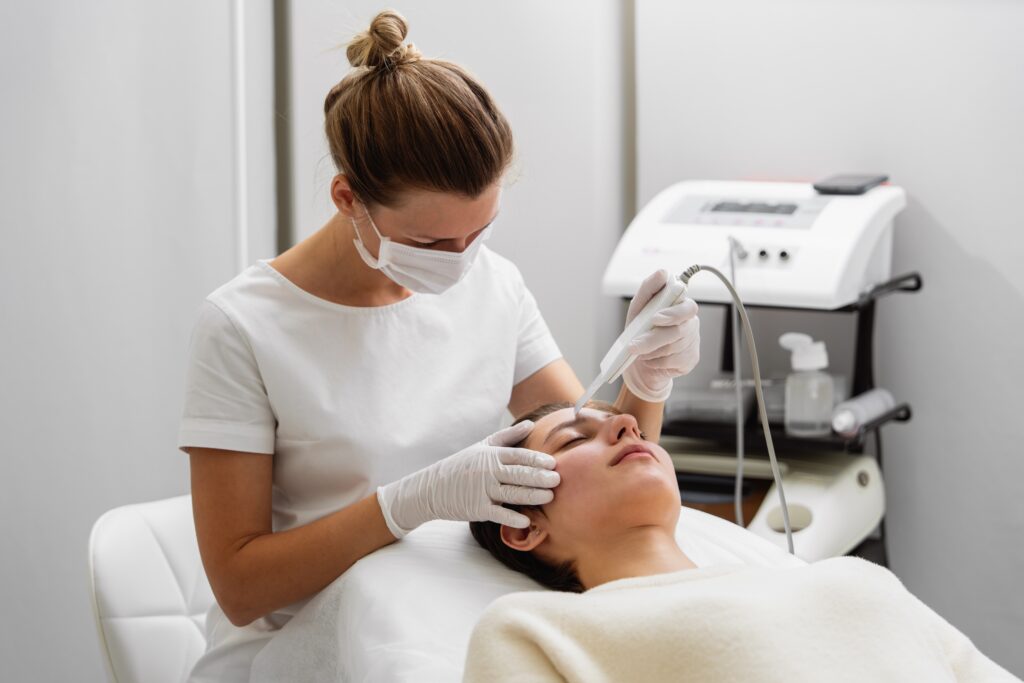
Professional treatments can’t simply replace all of the collagen your skin has lost. Instead, certain treatments are designed to support the skin’s natural renewal or repair processes.
Depending on the service, professional care may help:
- Encourage collagen stimulation
- Improve skin texture
- Soften the appearance of fine lines
- Support firmer-looking skin
- Improve hydration
- Reduce dullness
- Promote more even-looking tone
- Improve overall skin quality
Common treatment options may include:
Customized Facials
Facials can address hydration, dullness, congestion, and texture while supporting the skin barrier. Although a basic facial is not necessarily a deep collagen-stimulating procedure, it can help create healthier conditions for the skin and complement a broader treatment plan.
Microneedling
Microneedling creates controlled microchannels in the skin, which trigger a natural repair response. When performed by a qualified provider, it may support collagen stimulation and gradually improve the appearance of texture, fine lines, and certain scars.
Chemical Peels
Chemical peels use controlled exfoliation to encourage skin renewal. Depending on their strength and formulation, they may help improve texture, dullness, pigmentation, and the appearance of fine lines.
LED Light Therapy
LED therapy may be used as a gentle complement to other treatments. Different wavelengths are selected according to the client’s concerns and treatment goals.
Microcurrent Treatments
Microcurrent treatments use low-level electrical currents and are often chosen to support the appearance of facial tone and firmness. Their purpose and expected results differ from treatments designed to create a wound-healing response.
The right treatment plan depends on factors such as:
- Age
- Skin type
- Sensitivity
- Sun damage
- Skin barrier condition
- Treatment history
- Current products
- Desired results
- Comfort level
Professional skincare should never be one-size-fits-all. A treatment that works beautifully for one person may be inappropriate or overly aggressive for another.
Results also take time. Treatments designed to support collagen production rely on biological processes that unfold gradually. Your skin needs time to renew, repair, and respond between appointments.
If fine lines are one of your primary concerns, our guide on how to reduce the appearance of wrinkles offers additional information on sunscreen, skincare ingredients, lifestyle habits, and professional options.
Why Consistency Produces the Best Results
One treatment can leave your skin looking refreshed, but meaningful improvements usually happen through consistent care over time.
Collagen production continues to decline with age, which means ongoing maintenance becomes more important over time. Combining professional treatments with thoughtful home care may produce more reliable results than relying on either one alone.
A consistent plan may include:
- Daily sunscreen
- Gentle cleansing
- Antioxidant protection
- Regular moisturizing
- Targeted nighttime products
- Professional treatments on an appropriate schedule
- Periodic skin evaluations
Regular evaluations allow your esthetician to adjust your treatment plan as your skin changes. You may need more hydration during one season, gentler care after irritation, or a different treatment approach as your goals evolve.
Consistency also helps prevent a common skincare problem: repeatedly starting over.
When people expect instant results, they may change products too quickly or jump between intensive treatments. This can cause irritation and make it difficult to determine what is actually helping.
Healthy aging is a long-term process. The goal is not to force your skin into dramatic overnight changes. It is to create steady improvements while protecting comfort, hydration, and skin barrier health.
Protecting Collagen Loss Starts with a Personalized Plan
Collagen loss is a natural part of aging, but how you care for your skin can influence how those changes appear over time.
Daily sunscreen helps protect existing collagen from UV damage. Balanced nutrition, adequate sleep, stress management, and avoiding smoking support overall wellness. Medical-grade skincare may provide targeted ingredients when chosen for your specific needs, while professional treatments may encourage collagen stimulation and improve skin texture gradually.
The best plan is not necessarily the most aggressive one. It is the plan that fits your skin, respects its sensitivity, and can be followed consistently.
Ready to Support Smoother, Healthier-Looking Skin?
If you’re starting to notice fine lines, loss of firmness, or changes in your skin’s texture you don’t have to figure it all out on your own..
If you’re beginning to notice the signs of collagen loss, our friendly team at Glowing Results Skin Spa would love to help.
Schedule a personalized consultation to learn which treatments and skincare products fit your exact goals and begin creating a realistic plan for healthier, more radiant skin– even if you’ve experienced collagen loss.
FAQs
Q: What is collagen loss?
A: Collagen loss is the gradual decrease and breakdown of collagen in the skin over time. Because collagen provides structural support, this process may contribute to wrinkles, reduced firmness, thinner skin, and changes in texture.
Q: What causes collagen loss?
A: Aging is the primary cause, but repeated sun exposure, smoking, pollution, poor nutrition, chronic stress, and other lifestyle factors may accelerate collagen breakdown and make visible changes appear sooner.
Q: Can collagen loss be improved?
Collagen loss cannot be completely reversed, but healthy habits, targeted skincare, and professional treatments may help protect existing collagen, support collagen production, and improve the appearance of skin texture and firmness.
Q:Which treatments help stimulate collagen?
A: Depending on your skin’s needs, options such as microneedling, certain chemical peels, and other professionally selected collagen-stimulating treatments may help improve texture and firmness. Customized facials can also support hydration and overall skin quality as part of a broader treatment plan.