
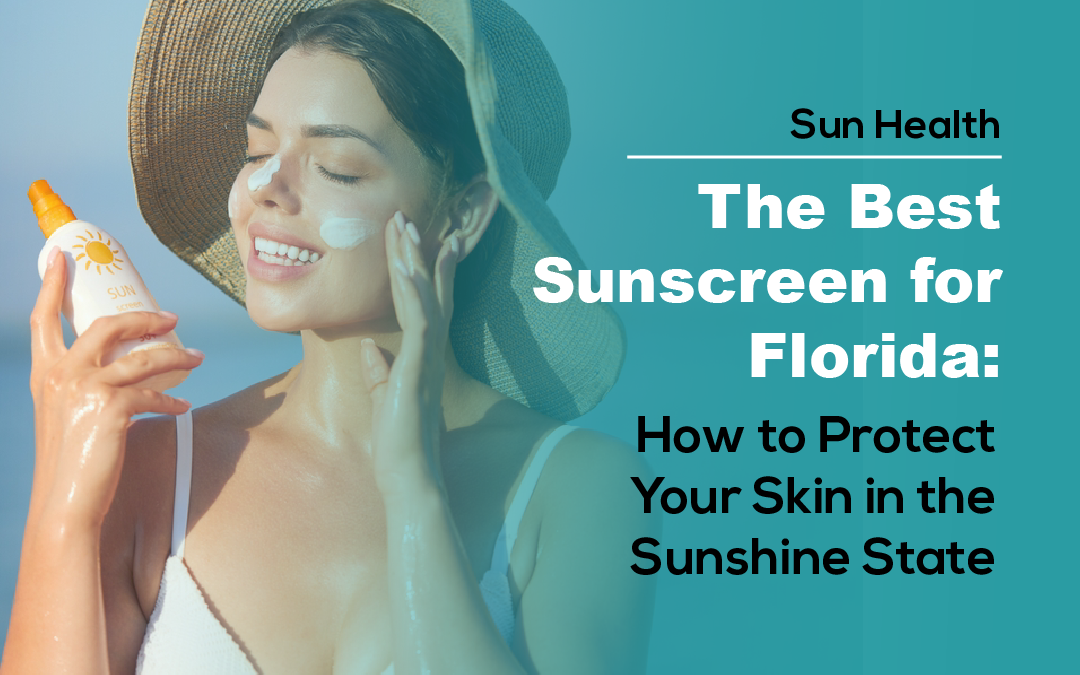
Florida’s sunshine is part of what makes our state so beautiful, but it also makes your skin work a little harder. Between the bright UV rays, warm weather, beach days, and humidity, protecting your complexion is a year-round priority. And finding the best sunscreen for Florida isn’t only about SPF– it’s about choosing a formula that fits your skin type and lifestyle.
In this guide, we’ll walk you through how to keep your skin healthy, hydrated, and protected in the Sunshine State so you can enjoy the outdoors with confidence.
Beneath the Sunshine: Protecting Your Skin Year-Round
Florida’s UV index stays high even on cloudy days, cooler days, and during the winter months. In fact, educational programs from the University of Florida highlight how intense UV levels remain across the state all year long– even when skies look overcast.
Consistent UV exposure can:
- Increase the risk of skin cancer
- Accelerate premature aging
- Deepen fine lines and wrinkles
- Trigger stubborn dark spots
- Slow the skin’s natural healing cycle
And if you spend time at the beach or in the pool, the combination of saltwater, heat, and wind can dry out your skin– weakening your natural barrier over time. The right sunscreen helps protect your natural beauty and maintain your skin’s long-term health.
Why SPF Belongs in Your Daily Routine
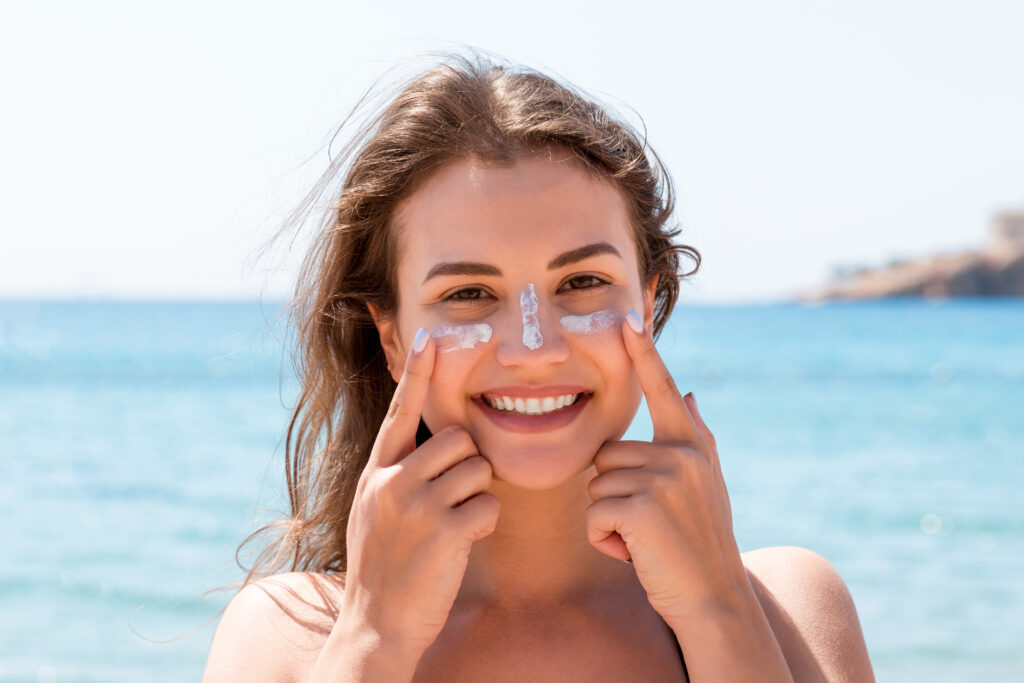
SPF (Sun Protection Factor) measures how well your sunscreen shields you from UVB rays– the rays responsible for burning and damaging your skin. But SPF is more than just a number on a bottle.
Daily sunscreen use can:
- Prevent premature aging
- Reduce risk of sun damage and skin cancer
- Minimize dark spots and hyperpigmentation
- Support your skin’s natural barrier
- Help your skincare products work better and last longer
And remember: sunscreen for your face is essential, even if you’re mostly indoors. Most windows and screens still let UVA rays through, which contribute heavily to aging.
How to Choose the Best Sunscreen for Your Skin Type
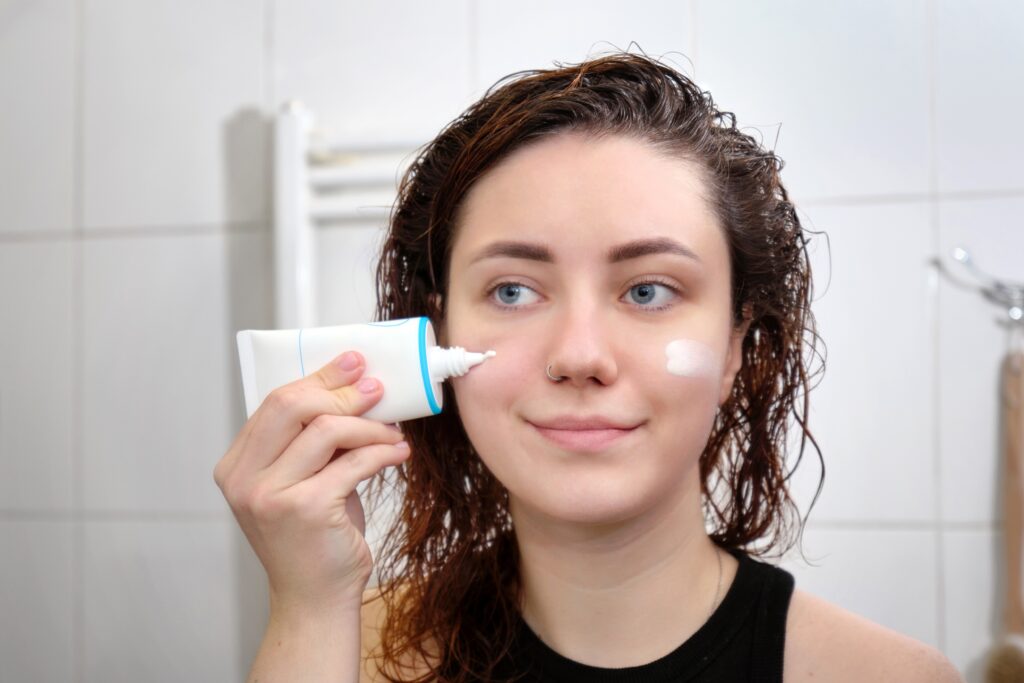
Finding the best sunscreen for Florida means choosing one that works with your environment and your skin type. Here’s how to pick the perfect match:
Oily or Acne-Prone Skin
Choose lightweight, oil-free, and non-comedogenic formulas. Gel or water-based sunscreens are excellent for humid climates because they don’t clog pores or feel greasy — great for anyone searching for the best sunscreen for oily skin or best sunscreen for acne.
Sensitive Skin
Mineral formulas with zinc oxide and titanium dioxide are soothing and less likely to irritate your skin– ideal for anyone needing the best sunscreen for sensitive skin. According to Healthline’s sunscreen guide for sensitive skin, mineral options tend to be the gentlest and most consistent choice.
Dry Skin
Hydrating sunscreens with hyaluronic acid, ceramides, or glycerin can keep your complexion soft and smooth. Cream-based SPF formulas provide lasting moisture and are considered some of the best sunscreen for dry skin in Florida’s hot sun.
Mineral vs. Chemical Sunscreen: Which Works Best in Florida?
Both types can work beautifully– it just depends on your skin’s needs. Mineral sunscreen works by reflecting UV rays away from the skin, making it a great choice for sensitive or reactive skin types. Cleveland Clinic’s guide on mineral vs. chemical sunscreen breaks down exactly how these formulas work and what makes them effective under strong Florida sun.
Mineral Sunscreen
- Sits on top of the skin and reflects UV rays
- Ideal for sensitive skin
- Offers immediate protection
- Often less irritating
Chemical Sunscreen
- Absorbs UV rays and converts them into heat
- Lightweight textures– great for beach days or outdoor sports
- Usually water-resistant
- Easy to blend and comfortable for all-day wear
Florida Tip: Because of heat, humidity, and sweat, chemical sunscreen often feels more comfortable for outdoor activities– but no matter which type you choose, reapplication is key.
How to Apply and Maintain Sunscreen Protection
To get the most out of any sunscreen for face or body:
- Apply sunscreen 15–30 minutes before sun exposure
- Use ¼ teaspoon for your face and neck
- Don’t forget ears, lips, chest, and hands
- Reapply every two hours
- Reapply immediately after swimming, sweating, or towel-drying
- Apply even on cloudy days — UV rays penetrate cloud cover
Remember consistent habits equals long-term skin health. And while sunscreen is essential for protection, it’s only part of keeping your skin healthy in Florida’s intense sun. Supporting your routine with the right professional skincare treatments can make your SPF work even better.
Spa Insight – Pairing Sunscreen with the Right Skin Treatment
Sunscreen is your first line of defense in Florida’s intense sunshine, but pairing it with the right professional skincare treatments can elevate your results even further. Facials designed to exfoliate and hydrate the skin help remove buildup, smooth uneven texture, and strengthen your moisture barrier– all of which allow your daily sunscreen to apply more evenly and work more effectively. When your skin is freshly exfoliated and properly hydrated, SPF absorbs better and protects more consistently throughout the day.
Professional treatments also support lasting skin resilience by minimizing dryness, restoring balance, and replenishing nutrients your skin loses from frequent sun exposure.
Regular facials can:
- Improve texture
- Strengthen your moisture barrier
- Help products absorb better
- Reduce buildup of dead skin
- Restore hydration after sun exposure
If you’re looking to elevate your skincare routine beyond sunscreen, explore our customized skin treatment services designed to enhance your skin’s natural vibrance and keep it healthy year-round.
Restoring Your Glow After Sun Exposure
Even with the best sunscreen habits, Florida’s sun, saltwater, and humidity can still leave your skin feeling dry, tight, or irritated. Restoring your skin starts with replenishing hydration and calming inflammation. Rich creams, cooling aloe-based products, and hydrating masks can give your skin an instant boost, helping repair the moisture barrier and soothe any lingering irritation.
Antioxidant serums– especially vitamin C– are another great addition, as they help brighten the skin and counteract the effects of UV exposure.
When your skin needs deeper nourishment, booking a restorative facial can make a noticeable difference. Professional treatments help revive tired skin, promote healing, and support natural radiance. With the right after-sun care, your skin will feel refreshed, balanced, and more resilient day after day.
Even with perfect sunscreen habits, the Florida sun can still take a toll. To keep your skin balanced:
- Choose hydrating masks, creams, or aloe-based products
- Incorporate antioxidant serums like vitamin C
- Book restorative facials when your skin feels dry, tight, or irritated
Your skin will thank you with a healthier look and improved resilience over time.
Conclusion
Protecting your skin daily is essential for anyone living in Florida– and choosing the right sunscreen makes all the difference. With the right SPF, a personalized routine, and supportive skincare treatments, you can maintain healthy, radiant skin all year long.
Are you ready to refresh your sun-exposed skin? Schedule a facial or consultation here at Glowing Results Skin Spa– your local experts in healthy, radiant skin care.
FAQs
Q: What SPF is best for Florida weather?
A: Dermatologists recommend SPF 30 or higher with broad-spectrum protection from both UVA and UVB rays.
Q: Is mineral sunscreen better for sensitive skin?
A: Yes! Mineral sunscreen with zinc oxide or titanium dioxide is typically gentler and less irritating.
Q: How often should I reapply sunscreen in Florida?
A: Every two hours– and immediately after swimming or sweating to the point of dripping. That will help to maintain full protection.
Q: Can sunscreen cause breakouts?
A: It can if the formula isn’t suited for your skin type. Choose lightweight, oil-free, and non-comedogenic formulas if you’re acne-prone.