
Living in Cape Coral means enjoying beautiful sunshine nearly year-round– from beach days to boat rides to everyday errands under bright skies. But that same sun can quickly take a toll on your skin if it isn’t properly protected.
Even during cooler Florida months, UV exposure remains strong, making sunburn and long-term sun damage more common than many people realize.
This guide is designed to help Cape Coral residents understand exactly how to calm, treat, and repair sunburned skin with professional, spa-level strategies that truly work.
How to Soothe and Treat Sunburned Skin in the First 24 Hours
Educational resources from the University of Florida emphasize that sunburn can happen quickly in Florida’s climate– even on cloudy days or during cooler months.
The first day after sun exposure is critical. Acting quickly can significantly reduce inflammation and help reverse sun damage skin before it worsens.
As soon as you notice redness or discomfort, move out of the sun and into a shaded or indoor space. Apply a cool compress to the affected area to help bring down heat and swelling. Avoid hot showers, saunas, or anything that raises skin temperature, as this can intensify irritation.
It’s also important to pause any active skincare during this time. Ingredients like retinol, exfoliating acids, or fragranced products can further inflame compromised skin. Stick with gentle, soothing care only.
If your sunburn includes blistering, intense pain, fever, or nausea, seek medical attention. These are signs your skin may need professional care beyond at-home treatment.
How to Cool, Hydrate, and Calm Sunburned Skin
Once you’ve removed heat from the skin, focus on hydration and barrier support. Aloe vera gel or calming botanical formulas can help reduce redness and discomfort when applied gently. Use cool– not ice-cold– compresses to avoid shocking the skin.
Sunburn draws moisture to the skin’s surface, which can leave the rest of your body dehydrated. Drinking water and electrolyte-rich fluids helps support recovery from the inside out.
Apply a fragrance-free moisturizer using light, pressing motions rather than rubbing. Layering thin applications throughout the day is often more comfortable than applying a heavy cream all at once.
Local tip for Cape Coral residents: avoid swimming in saltwater or chlorinated pools for at least 24 hours after a burn. While tempting, both can sting and slow healing when skin is already inflamed. This gentle approach to skincare for sun damage supports faster recovery and reduces peeling.
Your Sunburn Recovery Plan for the Following Days
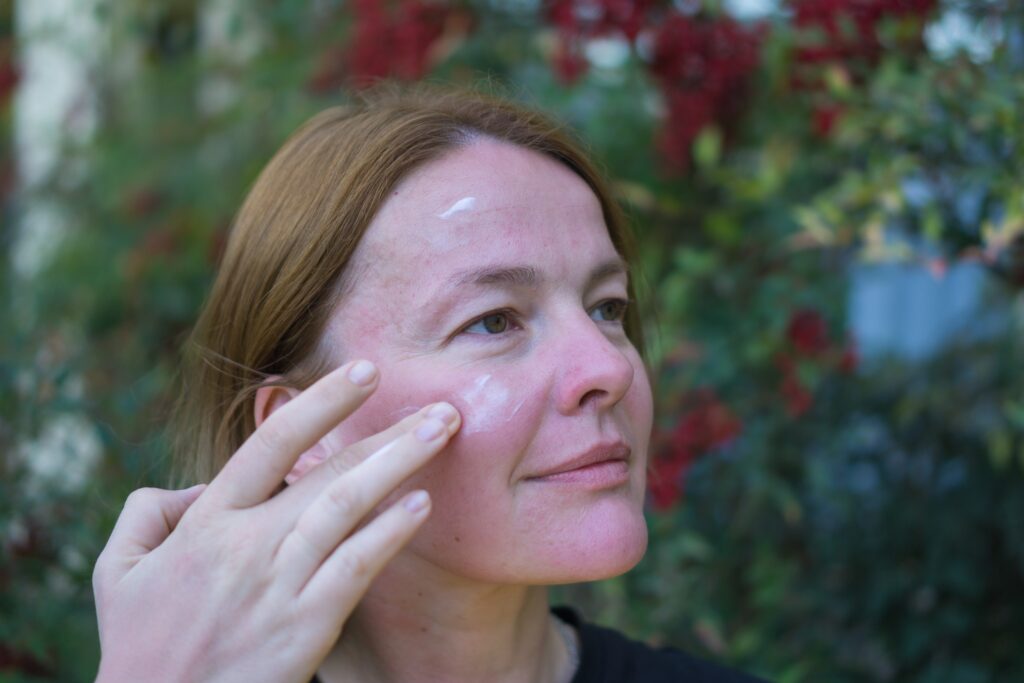
After the initial inflammation subsides, your skin shifts into repair mode. This is where consistency and patience matter most when learning how to fix sun damaged skin.
Once the initial heat and redness have reduced (typically during days two through five), continue moisturizing frequently and avoid manually peeling or exfoliating the skin. Peeling is part of the healing process, and forcing it can lead to scarring or pigmentation.
As redness fades, you can slowly introduce antioxidant-rich products such as vitamin C or soothing serums designed to support skin repair. Keep textures lightweight and avoid actives until the skin feels calm and comfortable again.
Protect healing skin with SPF daily– even if you’re indoors– to prevent additional damage during recovery.
Professional Spa Treatment During Recovery
Professional treatments can play a powerful role in healing sun-damaged skin safely. Many Cape Coral spas offer gentle hydration facials, calming barrier-repair treatments, and LED light therapy are all effective options for supporting recovery without irritation.
These treatments help reduce inflammation, replenish moisture, and encourage cellular repair– making them ideal as a facial for sun damage. Many Cape Coral clients find that scheduling a same-day or next-day appointment after sun exposure provides noticeable relief and faster healing.
Your esthetician can recommend treatments based on the severity of the burn and your skin’s sensitivity, ensuring safe and effective care.
Long-Term Care for Prevention and Reverse Sun Damage
Once your skin has healed, the focus shifts to prevention and maintenance. Because in Cape Coral’s intense UV environment, daily SPF 30+ is essential– and reapplication every two hours is key when outdoors.
Incorporating antioxidants like vitamin C in the morning and gentle retinol or repair serums at night can help reverse sun damage skin over time. A simple routine might include antioxidants and sunscreen during the day, followed by hydration and treatment products in the evening.
Monthly or quarterly professional facials support ongoing skin renewal and help prevent future damage. This layered approach is one of the most effective ways to fix sun damaged skin long-term.
According to UF Health Dermatology, repeated sun exposure can lead to long-term changes in skin texture, pigmentation, and elasticity if not properly addressed– so prevention is the key to real success.
Treating Hyperpigmentation and Sun Spots
Sun spots develop when UV exposure triggers excess melanin production– a common concern in Florida’s sun-heavy climate. Understanding how do I remove sun spots starts with patience and consistent care.
Topical ingredients like niacinamide and vitamin C help brighten and even tone, while professional treatments such as chemical peels and LED therapy safely target pigmentation. Most clients begin seeing improvement within several weeks, with continued brightening over time.
If you’re looking for more ways to care for your skin, explore our full list of skincare services designed to address sun damage, pigmentation, and overall skin health.
Very Real Health Risks – A Gentle Warning
Spending time outdoors is a big part of life in Cape Coral, and enjoying the sunshine doesn’t mean you need to feel anxious about your skin. That said, understanding the potential long-term effects of repeated sun exposure can help you make informed, confident choices about protecting and caring for your skin over time.
Dermatologists emphasize that cumulative UV exposure– especially repeated sunburns– can lead to more than just visible skin damage. Over time, chronic sun exposure may increase the risk of premature aging, persistent discoloration, and more serious skin concerns. According to dermatologists at the University of Central Florida, consistent sun protection and early intervention play a key role in reducing long-term risks and supporting overall skin health.
Research has also reinforced the importance of prevention. Research from Florida Atlantic University has shown a clear connection between repeated sunburns and an increased risk of skin cancer, highlighting why ongoing sun care matters– even beyond the immediate discomfort of a burn.
This information isn’t meant to be frightening, but empowering. By understanding how sun exposure affects the skin over time, you can take proactive steps– like daily SPF use, timely sunburn care, and professional skin treatments– to protect your skin’s health now and in the future. Thoughtful prevention and early care are some of the most effective tools we have for maintaining strong, resilient skin throughout every stage of life.
We Can Help Repair Your Sun Damaged Skin
Sun damage doesn’t have to be permanent. With the right immediate care, a thoughtful recovery plan, and ongoing prevention, your skin can heal and regain balance– even under Florida’s powerful sun. Professional treatments paired with smart at-home care make a noticeable difference in both comfort and appearance.
Here at Glowing Results, our team can help you fully restore your skin’s health and bounce back from sun damage. Call us to chat, or book your treatment today and give your skin the expert care it deserves.
FAQs
Q: How long does sunburned skin take to heal in Cape Coral?
A: Mild sunburn typically heals within 3–5 days, while deeper burns may take a week or longer. Healing depends on how quickly you cool, hydrate, and protect the skin.
Q: What is the fastest way to soothe sunburned skin?
A: Cool compresses, aloe vera gel, fragrance-free moisturizers, and avoiding heat or sun exposure are the most effective first steps.
Q: When should I see a professional for sunburn recovery?
A: If you experience blistering, severe pain, or lingering discoloration, it’s best to consult a Cape Coral spa professional or dermatologist.
Q: Can a facial help with sun damage?
A: Yes. Hydration facials, LED therapy, and antioxidant treatments are excellent for repairing post-burn skin and preventing long-term damage.